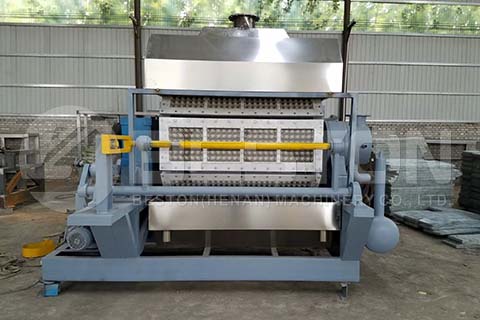
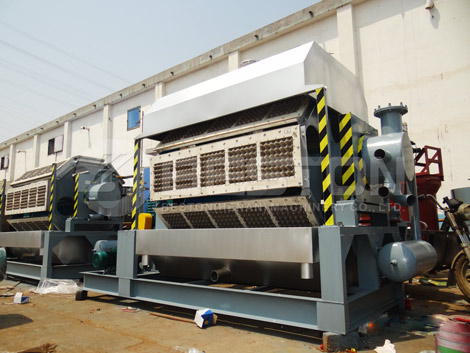
Pulp Molding Machine Maintenance: Best Practices for Long-Term Performance

The performance and longevity of a pulp molding machine are directly influenced by the level of maintenance it receives. Whether used in an egg tray maker machine, fruit tray making machine, or coffee cup tray machine, the maintenance of pulp molding production lines is crucial for consistent operation, minimizing downtime, and reducing the need for costly repairs. Implementing best practices in maintenance not only extends the lifespan of the machinery but also ensures that production remains efficient and high-quality. Below are the essential maintenance practices for maximizing the long-term performance of pulp molding machines.

1. Regular Inspection and Cleaning

One of the most fundamental maintenance tasks for any pulp molding production line is regular inspection and cleaning. The accumulation of paper fibers, dust, and other debris can significantly impact machine performance. These particles can clog pipes, valves, and other critical components, reducing the machine’s efficiency.

For machines like the egg tray maker machine, frequent cleaning of the pulp forming mold is necessary to prevent any build-up that may lead to defects in tray production. Similarly, in fruit tray making machine operations, cleaning the drying system is essential to avoid the formation of mold or other contaminants on the trays. Each component of the machine should be cleaned in accordance with the manufacturer’s guidelines to prevent wear and tear, ensuring optimal functionality.

2. Lubrication of Moving Parts

Proper lubrication of the moving parts is essential for reducing friction and preventing unnecessary wear. Pulp molding machines often have various moving components such as conveyors, molds, and hydraulic systems. Lack of lubrication can lead to increased friction, heat generation, and ultimately, part failure.

For machines like the coffee cup tray machine, it is important to lubricate the moving components at regular intervals to ensure smooth operation. Using the right type of lubricants, as specified by the machine manufacturer, is essential to prevent potential damage. Lubricating parts such as the pressing mechanism in the pulp molding production line can prevent jamming or malfunction, ensuring smooth production cycles.

3. Monitoring and Replacing Wearable Parts

Components such as molds, filters, and rubber seals experience high levels of wear over time. These parts are integral to the efficient operation of the pulp molding machine and need to be regularly checked for signs of damage or wear. Over time, worn-out components can affect the accuracy of the molding process, leading to defective products.

In the case of the egg tray maker machine, molds should be inspected for cracks or deformities, as damaged molds will result in trays that do not meet the required specifications. In the fruit tray making machine, filters used for draining excess water from the pulp should be checked frequently and replaced as needed. Regularly replacing these parts prevents production delays and ensures that the machine continues to operate at peak performance.

4. Monitoring Hydraulic and Electrical Systems

Hydraulic and electrical systems are the backbone of most pulp molding production lines. Ensuring these systems function optimally is vital for avoiding breakdowns. Regularly inspecting the hydraulic fluid levels and ensuring that there are no leaks in the system can prevent significant damage to the machine. In some cases, using improper hydraulic fluid or running the system on low fluid levels can lead to overheating and failure of hydraulic pumps.

In addition, electrical systems should be checked periodically to ensure proper wiring and functioning of control panels. Faulty wiring or malfunctioning sensors can result in erratic machine behavior or complete failure. It is essential to conduct routine electrical inspections, including checking for any signs of wear, corrosion, or short circuits in the wiring.

5. Calibration and Adjustment of Molding Parameters

For consistent output, it is necessary to calibrate and adjust molding parameters regularly. These parameters, such as the pulp density, molding pressure, and drying time, directly affect the quality of the molded products.

For example, in the egg tray maker machine, improper pulp density can lead to weak trays that do not provide adequate protection. Similarly, the fruit tray making machine requires precise adjustments to prevent trays from being too thick or too thin. Regular calibration ensures that these parameters are set according to the specific material being used, optimizing the quality and consistency of the end product.

6. Training Operators and Technicians

Having trained operators and technicians is essential for maintaining the pulp molding machine. They should be knowledgeable about the machine’s components, operation, and routine maintenance tasks. Proper training helps identify potential issues early and prevent mistakes that could lead to costly repairs.

Operators should also be trained to recognize signs of malfunction, such as unusual sounds, vibrations, or irregular product quality, and take immediate action before the problem escalates. A well-informed workforce contributes significantly to the overall reliability of the machine and production line.

7. Preventive Maintenance Scheduling

Implementing a preventive maintenance schedule is crucial for avoiding unexpected downtime. By setting up routine checks at regular intervals, manufacturers can address minor issues before they become major problems. Preventive maintenance should include tasks such as checking fluid levels, inspecting wear-prone components, and cleaning critical parts. Keeping an accurate log of all maintenance activities is also helpful for tracking the machine’s condition and anticipating future maintenance needs.

Conclusion

The maintenance of pulp molding machines, whether in an egg tray maker machine, fruit tray making machine, or coffee cup tray machine, is essential for ensuring long-term performance. Regular inspections, proper lubrication, and timely replacement of worn parts are the cornerstone of a well-maintained machine. By following these best practices, manufacturers can minimize downtime, extend the life of their machinery, and optimize production efficiency, ultimately contributing to both cost savings and high-quality output.

Eco-Friendly Production: The Advantages of Disposable Plate Machine

The rising emphasis on sustainability has brought eco-friendly manufacturing solutions to the forefront of industrial practices. Among these, the disposable plate machine stands out as an essential innovation, enabling the efficient production of biodegradable plates. Designed to replace traditional single-use plastic alternatives, these machines offer significant benefits in terms of environmental impact, cost-effectiveness, and operational flexibility. Below, we explore the advantages of adopting this technology.

Sustainability Through Renewable Materials

One of the most compelling advantages of a disposable plate machine is its ability to process renewable raw materials. Typically, these machines use recycled paper, agricultural residues like bagasse, or bamboo pulp to create durable and eco-friendly plates. By relying on these materials, manufacturers can significantly reduce waste and contribute to the circular economy.

Additionally, the end products are biodegradable and compostable, ensuring minimal environmental impact after disposal. This aligns with the growing global shift toward reducing landfill waste and promoting sustainable consumption patterns.

Energy Efficiency and Cost Savings

Modern pulp tableware machines are designed with energy efficiency in mind. Equipped with advanced technologies like energy-saving motors and optimized heating systems, they consume significantly less power compared to older manufacturing equipment. This not only reduces operating costs but also minimizes the carbon footprint of production.

For businesses, the long-term savings are substantial. Lower energy consumption translates to reduced utility expenses, while the use of locally available raw materials further cuts logistics and procurement costs.

High Productivity and Versatility

Biodegradable plates machine is engineered for high productivity, making them ideal for both small-scale and large-scale operations. Automatic and semi-automatic models are available to cater to varying production needs, offering impressive output rates without compromising quality. These machines can produce plates in a variety of shapes, sizes, and thicknesses, allowing manufacturers to meet diverse customer demands.

Interchangeable molds enhance the versatility of these machines. Manufacturers can quickly adapt to changing market requirements, producing not only plates but also other disposable items like bowls and trays using the same equipment. This adaptability fosters innovation and keeps businesses competitive.

Compliance with Environmental Regulations

Stringent regulations on plastic usage have prompted industries to explore sustainable alternatives. Paper pulp moulding machine enables manufacturers to comply with these environmental mandates while maintaining high production standards. By offering eco-friendly products, businesses can strengthen their brand reputation and attract environmentally conscious customers.

Minimal Maintenance and Longevity

The robust construction of modern disposable plate machines ensures durability and minimal maintenance requirements. Advanced control systems, automated lubrication, and precision engineering contribute to the machine’s long operational life. These features reduce downtime and ensure consistent performance, providing a reliable production solution for years.

Driving Economic Growth

The adoption of disposable plate machines also supports local economies. By utilizing agricultural residues as raw materials, farmers gain an additional revenue stream. Moreover, the expansion of biodegradable plate production creates job opportunities in manufacturing, distribution, and recycling sectors, driving economic growth in regions where these machines are deployed.

Conclusion

The disposable plate machine is more than just a manufacturing tool; it is a catalyst for sustainable progress. By enabling the efficient production of biodegradable alternatives, it addresses critical environmental concerns while delivering economic and operational benefits. As industries embrace eco-friendly production methods, this innovation serves as a cornerstone in the transition toward a greener, more sustainable future.

A Comprehensive Guide to Different Types of Pulp Molding Machines

Pulp molding technology has transformed the manufacturing of sustainable packaging solutions. With the growing demand for environmentally friendly alternatives, equipment like paper moulding machines and specialized industrial packaging equipment has gained prominence. Understanding the types of paper moulding machine is essential for businesses aiming to integrate sustainable practices into their operations.

1. Paper Egg Tray Making Machine

The paper egg tray making machine is one of the most widely used pulp molding systems. Its primary function is to produce protective trays for egg packaging, utilizing recycled paper as the main raw material. These machines are available in manual, semi-automatic, and fully automatic models, catering to various production capacities.

Modern paper egg tray making machines incorporate precision molds and automated drying systems, ensuring high efficiency and uniform product quality. Their scalability and low energy consumption make them an ideal choice for small businesses and large-scale producers alike.

2. Apple Tray Machine

The apple tray machine is specifically designed to produce trays for delicate fruit packaging. These trays offer superior cushioning, protecting fruits like apples during transportation and storage. Unlike general-purpose paper moulding machines, the apple tray machine often includes features to accommodate varying fruit sizes and weights.

Advanced models of apple tray machines utilize interchangeable molds, enabling producers to adapt to different fruit packaging needs without investing in additional equipment. This versatility ensures long-term usability and cost efficiency.

3. Industrial Packaging Equipment

Industrial packaging equipment encompasses a broader category of pulp molding machines tailored for various sectors. These machines are engineered to produce durable packaging solutions for electronics, medical devices, and other high-value products.

Unlike traditional paper moulding machines, industrial packaging equipment often incorporates complex mold designs to create customized shapes. The use of high-pressure molding techniques ensures robustness, making these machines indispensable in industries requiring precision packaging.

4. Rotary Pulp Molding Machine

Rotary pulp molding machines are designed for high-volume production. These machines feature a continuous rotation system, allowing multiple molds to operate simultaneously. The result is a significant increase in production efficiency, making them ideal for large-scale operations.

Equipped with automated pulp feeding and drying systems, rotary machines reduce labor requirements while maintaining consistent quality. They are commonly used in producing disposable tableware, seedling trays, and industrial packaging products.

5. Reciprocating Pulp Molding Machine

Reciprocating pulp molding machines operate with a back-and-forth motion, suitable for low-to-medium production scales. While less efficient than rotary models, these machines are more compact and cost-effective, making them a popular choice for small businesses.

Their simplicity in design also ensures ease of maintenance, reducing long-term operational costs. These machines are typically used for producing paper egg trays and small-scale packaging solutions.

Conclusion

Pulp molding machines, including paper moulding machines, industrial packaging equipment, paper egg tray making machines, and apple tray machines, play a pivotal role in advancing sustainable packaging solutions. Their versatility, efficiency, and adaptability make them essential for businesses aiming to align with environmental goals. By selecting the appropriate type of machine based on production needs and budget, manufacturers can achieve both operational efficiency and ecological stewardship, driving long-term success in an evolving market.

Cost-Effective Production Solutions Using Pulp Molding Machines

The demand for sustainable and cost-effective production methods has driven significant innovation in the packaging and tableware industries. Pulp molding machines have emerged as an optimal solution for businesses seeking to balance economic efficiency with environmental responsibility. By utilizing renewable resources and advanced manufacturing techniques, these machines enable the production of high-quality biodegradable products while minimizing waste and operational costs.

The Role of Pulp Molding Machines in Sustainable Manufacturing

Pulp molding machines are designed to convert waste paper, cardboard, and other cellulose-based materials into durable and biodegradable products. The pulp molding process involves several stages, including pulping, molding, drying, and finishing. Each stage is engineered to maximize material utilization and reduce resource wastage, making it a cornerstone of green manufacturing.

One notable application of these machines is in the production of disposable tableware. A pulp tableware machine efficiently creates plates, bowls, and trays from recycled pulp. These products are not only biodegradable but also robust, making them a viable alternative to plastic counterparts. By replacing traditional materials with environmentally friendly options, businesses can significantly reduce their ecological footprint while meeting consumer demand for sustainable goods.

Cost Efficiency Through Advanced Design

The economic benefits of pulp molding machines are multifaceted. Modern designs prioritize energy efficiency, incorporating features such as high-efficiency motors, optimized drying systems, and heat recovery mechanisms. These innovations reduce electricity and fuel consumption, resulting in lower operating costs over time.

Additionally, the pulp molding process is highly versatile. Machines can be configured to produce a variety of shapes and sizes, enabling manufacturers to meet diverse market requirements without the need for extensive retooling. This adaptability not only enhances production efficiency but also minimizes capital expenditure.

The pricing of machinery, such as a biodegradable plate making machine, is another critical factor. Competitive biodegradable plate making machine price has made these systems accessible to businesses of varying scales. While the upfront investment might appear substantial, the long-term cost savings achieved through reduced energy use, minimal material wastage, and scalability make these machines a prudent choice for cost-conscious manufacturers.

Enhancing Product Value with Biodegradable Solutions

In an era of increasing environmental awareness, consumers and businesses alike are prioritizing products that align with sustainability goals. Pulp tableware and other biodegradable items produced using pulp molding machines cater to this demand. These molded pulp products decompose naturally, eliminating concerns associated with plastic waste.

Moreover, the manufacturing process allows for customization, enabling the creation of branded or aesthetically pleasing designs that enhance product appeal. This customization adds value and differentiates businesses in competitive markets, where eco-friendly credentials are becoming a significant selling point.

Meeting Regulatory and Market Demands

Governments worldwide are implementing stricter regulations to curb plastic use and promote biodegradable alternatives. Investing in molded pulp packaging machinery aligns businesses with these regulatory requirements, avoiding potential penalties and ensuring market compliance. Additionally, by adopting these systems, manufacturers position themselves as leaders in sustainable practices, improving brand perception and customer loyalty.

Conclusion

Pulp molding machines provide a cost-effective solution for producing sustainable products, combining economic efficiency with environmental stewardship. Through innovations in energy efficiency, material utilization, and design versatility, these machines enable manufacturers to meet the growing demand for biodegradable goods. With competitive pricing and long-term operational savings, tools like the pulp tableware machine are transforming production processes, paving the way for a more sustainable and profitable future.

Exploring the Best Raw Materials for Egg Tray Production

The production of egg trays involves a precise selection of raw materials that ensure the final product is both durable and environmentally friendly. Egg tray machine manufacturers are consistently focused on sourcing materials that enhance the efficiency and quality of the manufacturing process. The choice of materials directly impacts the strength, flexibility, and overall sustainability of the egg trays.

Paper Pulp: The Core Component

The most commonly used raw material in egg tray production is paper pulp. Derived from recycled paper products, it serves as the primary base material due to its eco-friendly nature. Paper pulp is not only readily available but also cost-effective, making it an attractive choice for manufacturers. The pulp is made by breaking down paper products, which are then combined with water to form a slurry. The slurry is molded into the desired shape using an egg box making machine, after which it is dried to produce the final product.

Recycled paper pulp has the added advantage of being a sustainable material. Using paper pulp not only reduces waste but also minimizes the demand for virgin wood fibers, supporting environmental conservation efforts. Furthermore, manufacturers can optimize the pulp mixture by adjusting the ratio of paper to water, ensuring the desired consistency and strength for specific applications.

Additives for Enhanced Durability

While paper pulp is the primary material, the use of additives can significantly improve the physical properties of the egg trays. Fillers like starch, clay, and certain chemical compounds can be incorporated to enhance the rigidity and moisture resistance of the trays. Starch, for instance, increases the bonding strength of the fibers, resulting in a sturdier product. Clay is often added to improve the surface smoothness and prevent the trays from becoming too porous.

Moreover, chemical additives such as wet strength resins can be used to increase the moisture resistance of egg trays, making them more durable in high-humidity environments. This is particularly crucial for egg tray manufacturers targeting regions with diverse climatic conditions, where product performance must remain consistent. It is also an important factor to affect egg tray machine price.

Agricultural Waste: An Alternative Raw Material

Egg tray machine manufacturers are increasingly exploring alternative raw materials to supplement or replace paper pulp. Agricultural waste, such as rice husks, wheat straw, and sugarcane bagasse, is being used to produce egg trays with comparable quality to those made from recycled paper. These materials are readily available in regions with large-scale agricultural operations, and utilizing them not only reduces waste but also lowers the cost of production.

By integrating agricultural waste into the manufacturing process, companies can further enhance the sustainability of egg tray production. In addition, these materials are biodegradable and compostable, contributing to the reduction of landfill waste and supporting circular economy practices.

Environmental Considerations

As demand for sustainable packaging solutions grows, pulp moulding machine manufacturers are increasingly under pressure to adopt raw materials that are environmentally responsible. The choice of raw material is integral to meeting sustainability goals, with recycled paper pulp and agricultural waste standing out as the most viable options. The use of non-toxic additives and the ability to recycle or compost the trays after use further adds to the environmental benefits of egg tray production.

In conclusion, selecting the best raw materials for egg tray production is critical for achieving a balance between cost-efficiency, product durability, and environmental responsibility. By leveraging recycled paper pulp, incorporating natural additives, and exploring alternative materials like agricultural waste, manufacturers can produce high-quality egg trays that meet the growing demand for sustainable packaging. As the industry continues to evolve, the pursuit of innovative materials will remain central to driving both economic and environmental progress.

Maintenance Tips for Egg Carton Manufacturing Machines

Egg carton manufacturing machines play a critical role in the packaging industry, ensuring that eggs are safely transported while minimizing environmental impact. These machines operate in a demanding environment, requiring consistent upkeep to maintain productivity and quality. Proper maintenance not only extends the lifespan of the equipment but also enhances operational efficiency and reduces the likelihood of costly downtime. Below are essential maintenance tips to ensure the long-term reliability of an egg carton machine.

1. Regular Inspection of Mechanical Components

The mechanical components of an egg carton machine, such as conveyors, molds, and presses, undergo significant wear and tear during continuous operation. Routine inspections are crucial for identifying potential issues before they develop into major failures. Regularly check for:

  • Worn-out bearings and chains that may compromise machine performance.
  • Loose bolts or fasteners, which could lead to machine misalignment.
  • Deformities in the molding system that might affect the consistency of the cartons.

By identifying these minor issues early, manufacturers can avoid major repairs and maintain uninterrupted production.

2. Lubrication and Oil Changes

Friction between moving parts is inevitable in high-speed machinery. To minimize wear and prevent overheating, consistent lubrication is essential. For pulp tray machine, focus on:

  • Lubricating gearboxes, shafts, and bearings regularly to ensure smooth movement.
  • Changing oil and grease at intervals recommended by the manufacturer to maintain the efficiency of moving parts.
  • Ensuring that the lubrication system is free from blockages to avoid machine malfunctions.

Proper lubrication reduces friction, promotes smoother operations, and minimizes the risk of overheating, thus ensuring that the machine operates at optimal capacity.

3. Cleaning and Preventing Build-up

Similarly, paper egg tray making machine is frequently exposed to moisture, pulp, and other raw materials, which can lead to the accumulation of debris and build-up. Excessive build-up can hinder machine performance and even cause component damage. To prevent this:

  • Clean the mold area thoroughly after each production run to remove pulp residue and moisture.
  • Use compressed air to clean the conveyor belts, mold cavities, and intricate parts.
  • Pay special attention to drainage systems to prevent blockages caused by pulp waste.

A clean machine runs more efficiently, which directly correlates with improved product quality and reduced downtime.

4. Check Electrical Systems and Sensors

Molded pulp equipment relies on complex electrical systems, including sensors that monitor production speed, temperature, and moisture levels. Malfunctions in these systems can cause production stoppages or irregularities in carton quality. Ensure the following:

  • Inspect all wiring for signs of wear, cuts, or exposed wires that could lead to short circuits.
  • Test sensors and controls regularly to ensure accurate readings and calibration.
  • Verify that the control panels are functioning properly and all emergency stop buttons are operational.

By maintaining electrical components, the machine’s automated features will continue to perform optimally, minimizing human error and improving overall production efficiency.

5. Monitor Temperature and Humidity Controls

Temperature and humidity play an essential role in the drying process of egg cartons. If not regulated properly, these factors can affect the quality and strength of the cartons. Regularly check and adjust:

  • The dryer temperature to ensure that the pulp is dried evenly, preventing under-drying or over-drying.
  • The humidity control system to maintain optimal moisture levels in the pulp, which impacts carton strength.

Proper environmental control ensures that the egg cartons are of the highest quality, with the right balance of strength and flexibility to protect eggs during transportation.

6. Schedule Professional Maintenance

While routine maintenance can be performed in-house, certain tasks require professional expertise. Scheduling regular service visits from qualified technicians ensures that the machine is calibrated correctly and that all systems are working at peak efficiency. Technicians can also identify potential issues that may not be apparent to regular operators.

Conclusion

Maintaining an egg carton machine requires a proactive approach, including regular inspection, lubrication, cleaning, and attention to electrical and environmental systems. By adhering to a structured maintenance plan, manufacturers can enhance machine performance, reduce downtime, and prolong the lifespan of the equipment. The result is a more efficient production process and a higher-quality product, contributing to the success of the business.