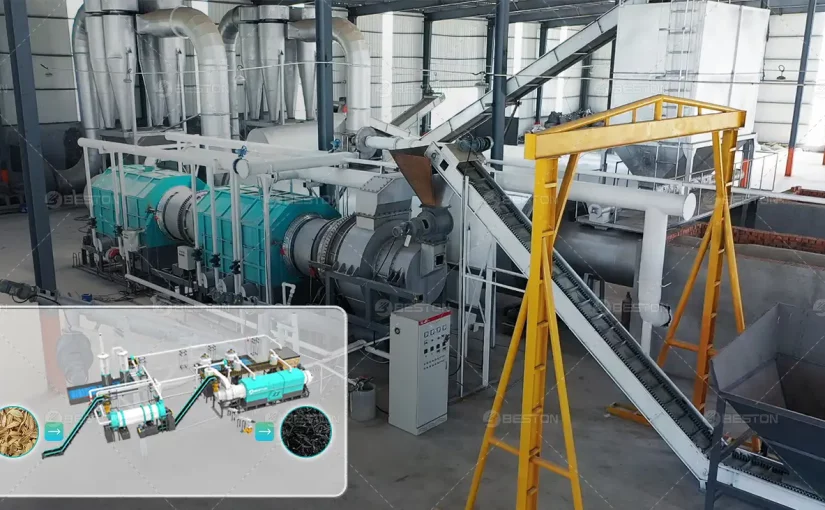
Selecting the right biomass is fundamental to the performance of a biochar machine. Feedstock characteristics influence thermal decomposition, biochar yield, fixed-carbon content, ash concentration, and overall process stability. Although many forms of organic biomass can undergo pyrolysis or carbonization, not every material produces the same quality or economic outcome.
In general, dry, carbon-rich, and relatively homogeneous biomass is particularly suitable for biochar production. The following feedstocks are commonly considered for industrial and commercial applications.
Wood and Forestry Residues
Wood chips, sawdust, branches, bark, and other forestry residues are among the most established feedstocks for biochar production. Their relatively high lignocellulosic content provides a stable carbon matrix during thermal conversion.
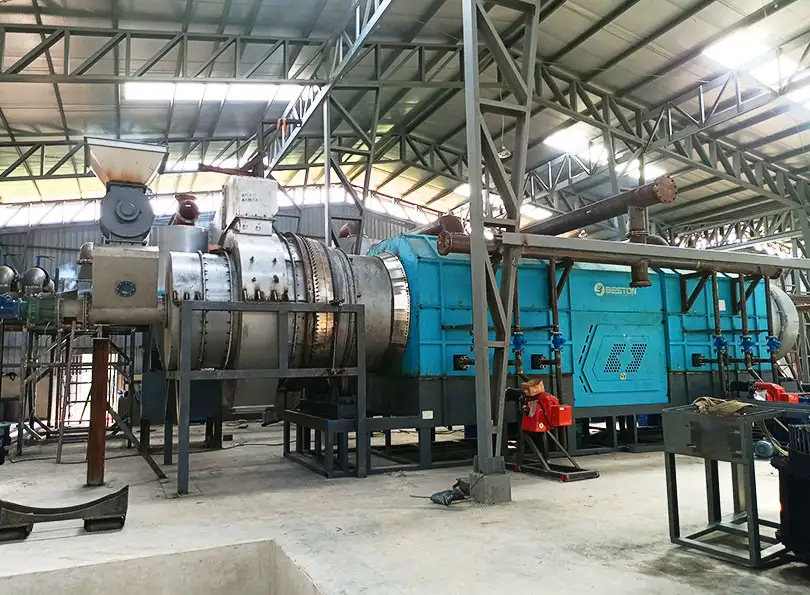
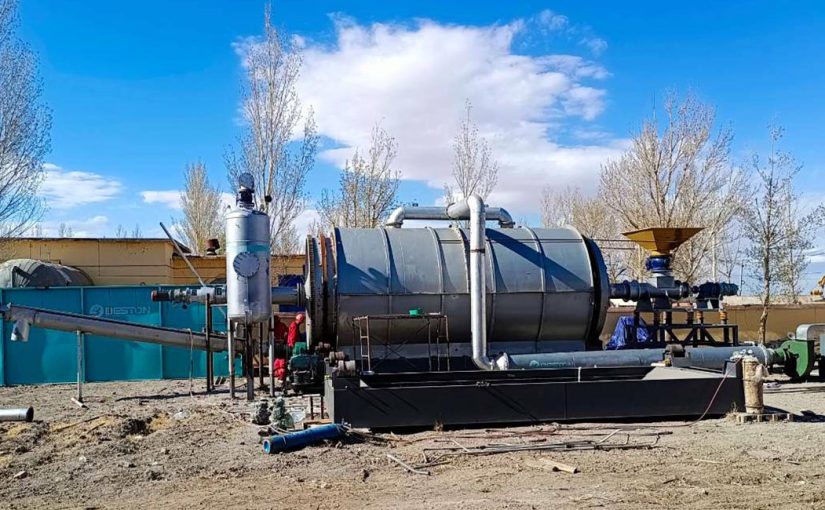
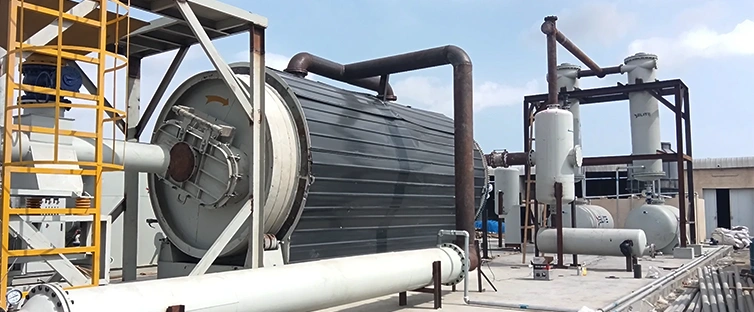
A wood charcoal manufacturing machine can process suitable wood residues into charcoal or biochar under controlled heating conditions. Feedstock particle size and moisture content should be managed before entering the reactor because excessive moisture increases energy consumption and can destabilize the thermal profile.
Wood-derived biochar is often characterized by a relatively stable carbon structure, making it applicable in soil amendment, horticulture, carbon management, and certain industrial processes.
Coconut Shell
Coconut shell is another valuable biomass feedstock because of its high carbon content and dense structure. Compared with many loose agricultural residues, coconut shell generally has favorable energy density and can generate a carbon-rich solid product.
A coconut charcoal making machine is commonly designed to carbonize coconut shell under oxygen-limited conditions. Proper carbonization temperature and residence time are important for controlling the degree of volatile matter removal and the resulting biochar properties.
Coconut-shell biochar can have a comparatively dense structure and may be suitable for applications requiring durable carbonaceous material.

Rice Husk
Rice husk is abundant in many rice-producing regions, but its composition differs considerably from woody biomass. It contains a substantial proportion of silica, which directly affects the ash content and physical characteristics of the resulting biochar.
A rice husk charcoal machine can convert rice husk into carbonized material while simultaneously reducing the volume of agricultural residues requiring disposal. The resulting rice-husk biochar may be useful for soil improvement and other applications where mineral-rich carbonaceous material is acceptable.
Because of its elevated ash and silica content, however, rice husk should be evaluated according to the intended end use rather than treated as equivalent to wood biomass.

Palm Shell and Other Agricultural Residues
Palm kernel shell, fruit shells, nut shells, corn stalks, bamboo residues, and similar agricultural by-products can also serve as pyrolysis feedstocks. Their suitability depends on moisture, particle geometry, ash content, volatile matter, and local availability.
A palm shell charcoal machine, for example, can process palm-derived shell residues into carbon-rich solid products. Such systems can help transform an agricultural by-product into a usable carbon resource instead of allowing it to accumulate as low-value waste.
Other residues may also be viable, but laboratory or pilot-scale testing is advisable when the feedstock has unusual mineral content or inconsistent composition.
Key Factors When Selecting Biomass
Feedstock selection should not rely solely on availability. Several technical parameters require evaluation:
- Moisture content: High moisture increases the energy required for drying.
- Particle size: Consistent dimensions promote more uniform heat transfer.
- Ash content: Excessive ash can dilute fixed carbon and affect product quality.
- Carbon content: Carbon-rich biomass generally offers favorable biochar characteristics.
- Volatile matter: This influences gas generation and carbonization behavior.
- Feedstock consistency: Stable composition helps maintain predictable reactor operation.
Ultimately, the most suitable biomass is the material that combines adequate carbon content, manageable moisture, consistent composition, and reliable local supply. With appropriate pretreatment and process control, a biochar machine can convert diverse biomass residues into a more stable carbonaceous product while improving the resource utilization of agricultural and forestry waste.