Plastic waste is one of the most pervasive environmental challenges of the modern era. With billions of tons of plastic accumulating in landfills and oceans, the need for effective waste management solutions is urgent. Plastic pyrolysis, a technology that converts plastic waste into valuable products through thermal decomposition, has emerged as a promising method to tackle this issue. This article explores the global development trends of plastic pyrolysis technology, highlighting its advancements, challenges, and future prospects.
Understanding Plastic Pyrolysis
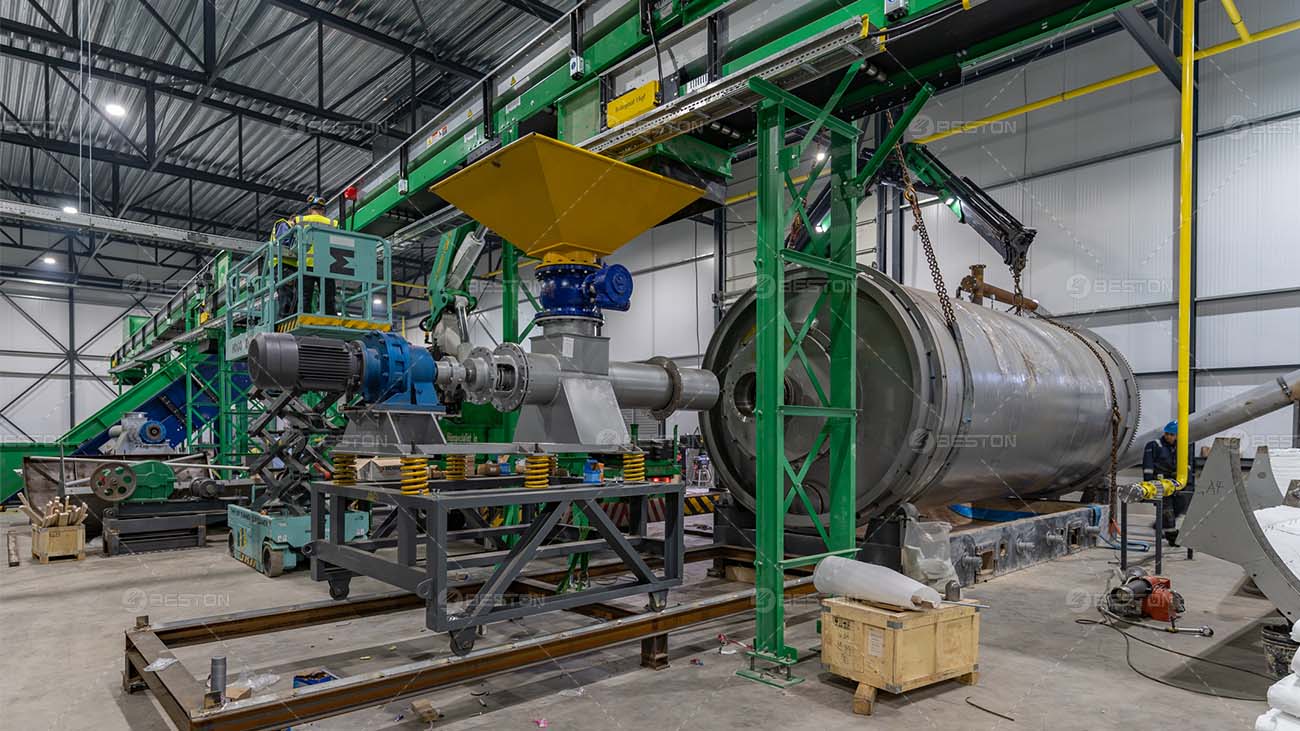
Plastic pyrolysis involves heating plastic waste in the absence of oxygen, leading to its thermal degradation into smaller molecules. The primary products of this process are pyrolysis oil, syngas, and char. Pyrolysis oil can be refined into fuels and chemicals, syngas can be used for energy generation, and char can serve as a solid fuel or carbon black precursor.
Advancements in Plastic Pyrolysis Technology
Enhanced Reactor Designs
The design of reactors is crucial to the efficiency and scalability of waste plastic pyrolysis plant. Recent advancements have focused on improving heat transfer, residence time, and feedstock flexibility. Innovations such as fluidized bed reactors, rotary kilns, and microwave-assisted pyrolysis have demonstrated enhanced conversion rates and product yields. These designs optimize the thermal degradation process, ensuring uniform heating and maximizing the recovery of valuable products.
Catalyst Development
Catalysts play a significant role in optimizing the pyrolysis process by lowering the reaction temperature and improving the quality of the output. Research has led to the development of novel catalysts, including zeolites, metal oxides, and nanoparticle-based catalysts. These catalysts not only enhance the yield of desirable products but also reduce the formation of unwanted by-products. The use of catalysts can also tailor the chemical composition of pyrolysis oil, making it more suitable for specific applications.
Feedstock Versatility
One of the key trends in plastic pyrolysis technology is the ability to process a wide variety of plastic types, including mixed and contaminated plastics. Traditional recycling methods often struggle with non-homogeneous feedstocks, but advancements in pyrolysis technology have made it possible to handle diverse materials. This versatility increases the feasibility of pyrolysis as a solution for municipal solid waste management, where plastic waste streams are often heterogeneous.
Integration with Circular Economy Models
The integration of plastic to oil plant with circular economy principles is gaining momentum. By converting plastic waste into raw materials for new products, pyrolysis supports the creation of a closed-loop system. This approach not only mitigates plastic pollution but also reduces the demand for virgin materials, contributing to resource conservation and sustainability. Several companies are now developing processes that feed pyrolysis oil directly into petrochemical plants, closing the loop on plastic production and waste.
Regional Trends in Plastic Pyrolysis
North America
North America is witnessing significant investments in plastic pyrolysis technology, driven by regulatory pressures and market demand for sustainable solutions. Companies such as Agilyx and Brightmark are leading the way with large-scale pyrolysis plants that convert post-consumer plastics into fuels and chemicals. The region’s focus is on scalability and economic viability, with a strong emphasis on integrating pyrolysis products into existing industrial frameworks.
Europe
Europe has been at the forefront of adopting and promoting plastic pyrolysis technology. Stringent environmental regulations and ambitious recycling targets have spurred innovation and implementation. The European Union’s Circular Economy Action Plan emphasizes the role of advanced recycling technologies like pyrolysis in achieving sustainability goals. Countries such as the Netherlands and Germany have established pilot projects and commercial plants, showcasing the potential of pyrolysis to address plastic waste challenges.
Asia-Pacific
The Asia-Pacific region, particularly China and India, faces immense plastic waste management challenges due to rapid urbanization and industrialization. Plastic pyrolysis technology is being increasingly recognized as a viable solution. Efforts are focused on developing low-cost and scalable pyrolysis systems that can be deployed in diverse settings, from urban centers to rural areas. Collaborative projects and technology transfers are also playing a crucial role in advancing pyrolysis technology in this region.
Middle East and Africa
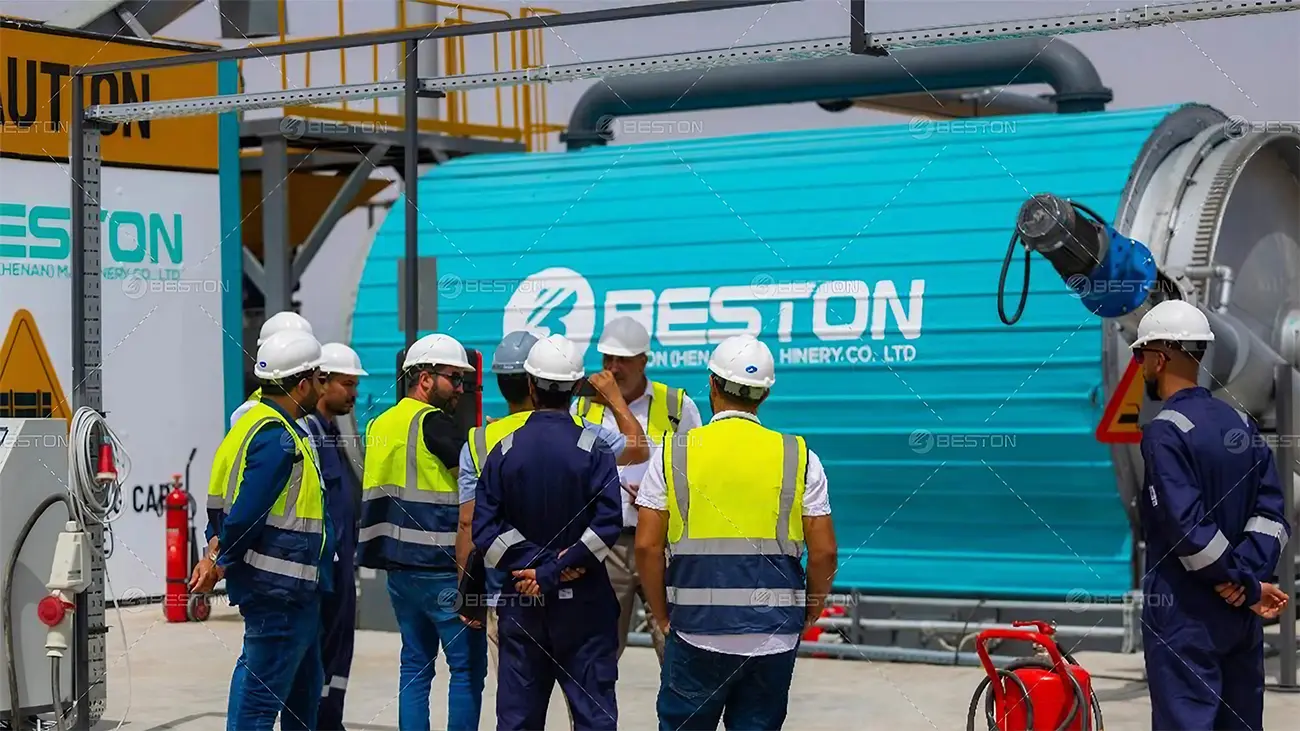
In the Middle East and Africa, plastic pyrolysis is gaining attention as part of broader waste management and sustainability initiatives. The region’s abundant plastic waste, coupled with the need for alternative energy sources, makes pyrolysis an attractive option. Countries like the United Arab Emirates and South Africa are exploring pyrolysis technology through pilot projects and partnerships with international companies. The emphasis is on creating integrated waste management systems that include pyrolysis as a key component.
Challenges and Barriers
Economic Viability
One of the primary challenges facing plastic pyrolysis technology is economic viability. High initial capital costs and operational expenses can be prohibitive, especially for large-scale plants. While advancements in technology have reduced costs, ensuring profitability remains a critical concern. Developing efficient and cost-effective processes is essential for widespread adoption.
Regulatory and Environmental Concerns
Regulatory frameworks for plastic pyrolysis vary significantly across regions, affecting the deployment and operation of pyrolysis plants. Environmental concerns, such as emissions and the safe disposal of residues, must be addressed to gain regulatory approval. Ensuring compliance with environmental standards and obtaining the necessary permits can be time-consuming and costly.
Technical Challenges
Technical challenges, including feedstock variability, process optimization, and product quality control, continue to impede the development of plastic pyrolysis technology. Research and development efforts are focused on overcoming these obstacles to improve the reliability and efficiency of the process. Innovations in reactor design, catalyst development, and process control are critical to addressing these technical issues.
Future Prospects and Innovations
Advanced Process Control
The integration of advanced process control systems, including artificial intelligence and machine learning, is poised to revolutionize plastic pyrolysis technology. These systems can optimize operational parameters in real-time, enhancing efficiency and product quality. Predictive maintenance and process analytics can also reduce downtime and operational costs, improving the overall economic viability of pyrolysis plants. Welcome to consult Beston for more plastic pyrolysis technology.
Hybrid Technologies
Hybrid technologies that combine pyrolysis with other waste management methods, such as gasification and mechanical recycling, offer promising solutions. These integrated approaches can maximize resource recovery and minimize environmental impact. For example, hybrid systems can process mixed waste streams, converting non-recyclable plastics into fuels while recycling other materials.
Decentralized Pyrolysis Systems
The development of decentralized pyrolysis systems enables localized waste management, reducing transportation costs and emissions. Small-scale, modular pyrolysis units can be deployed in urban and rural areas, providing flexible and accessible solutions for plastic waste. Decentralized systems also support community-based recycling initiatives, fostering local sustainability efforts.
Collaboration and Partnerships
Collaboration between industry stakeholders, research institutions, and governments is essential for advancing plastic pyrolysis technology. Public-private partnerships can drive innovation, share knowledge, and scale up successful projects. International collaborations can also facilitate technology transfer and capacity building in regions facing significant plastic waste challenges.