Hazardous waste poses a significant environmental threat, necessitating innovative and effective remediation solutions. One such groundbreaking technology making waves in the field is Thermal Desorption Unit (TDU) technology. In this comprehensive exploration, we delve into the principles, applications, and environmental impact of tdu thermal desorption unit, a method that raises the temperature to tackle hazardous waste head-on.
Understanding TDU Thermal Desorption
The TDU Process
TDU thermal desorption is a remediation technique designed to treat contaminated materials, typically soil or sludge, by exposing them to elevated temperatures. The process involves heating the contaminated material within a Thermal Desorption Unit, driving off volatile organic compounds (VOCs) and other contaminants. The released contaminants are then captured and treated separately, leaving the decontaminated material ready for safe reuse or disposal.
Principles of Operation
- Vaporization: Elevated temperatures cause the volatile components within the contaminated material to vaporize.
- Separation: The vaporized contaminants are separated from the material and captured for further treatment.
- Decontamination: The remaining material is now free from the majority of contaminants and can be safely reintroduced into the environment or disposed of following regulatory guidelines.
Applications of TDU Thermal Desorption
Soil Remediation
One of the primary applications of MSW pyrolysis plant is in the remediation of contaminated soils. Sites contaminated with hazardous substances, such as petroleum hydrocarbons, PCBs, and various industrial chemicals, can benefit from this technology.
Sludge Treatment
TDU thermal desorption is also employed for treating sludge from wastewater treatment plants. By subjecting sludge to elevated temperatures, the technology facilitates the removal of water and volatile components, reducing the volume of sludge and rendering it more manageable for disposal.
Brownfield Redevelopment
Contaminated sites, often referred to as brownfields, present challenges for redevelopment. TDU thermal desorption can play a crucial role in transforming these sites into safe and usable spaces by treating the contaminated soil on-site.
Emergency Response
In emergency scenarios, such as chemical spills or industrial accidents, TDU thermal desorption provides a rapid and effective means of mitigating the environmental impact. The technology can swiftly treat contaminated soil, preventing further dispersion of hazardous substances.
Advantages of TDU Thermal Desorption
1. Versatility
TDU thermal desorption is a versatile technology capable of treating a wide range of contaminants, including volatile and semi-volatile organic compounds. This adaptability makes it a valuable tool in addressing diverse environmental contamination scenarios.
2. On-Site Remediation
One of the significant advantages of TDU thermal desorption is its ability to conduct on-site remediation. By treating contaminated material directly at the source, the need for transporting large quantities of hazardous waste is minimized, reducing associated risks and costs.
3. Volume Reduction
The process of TDU thermal desorption leads to the volatilization of contaminants, effectively reducing the volume of the treated material. This volume reduction can translate to lower disposal costs and a smaller environmental footprint.
4. Resource Recovery
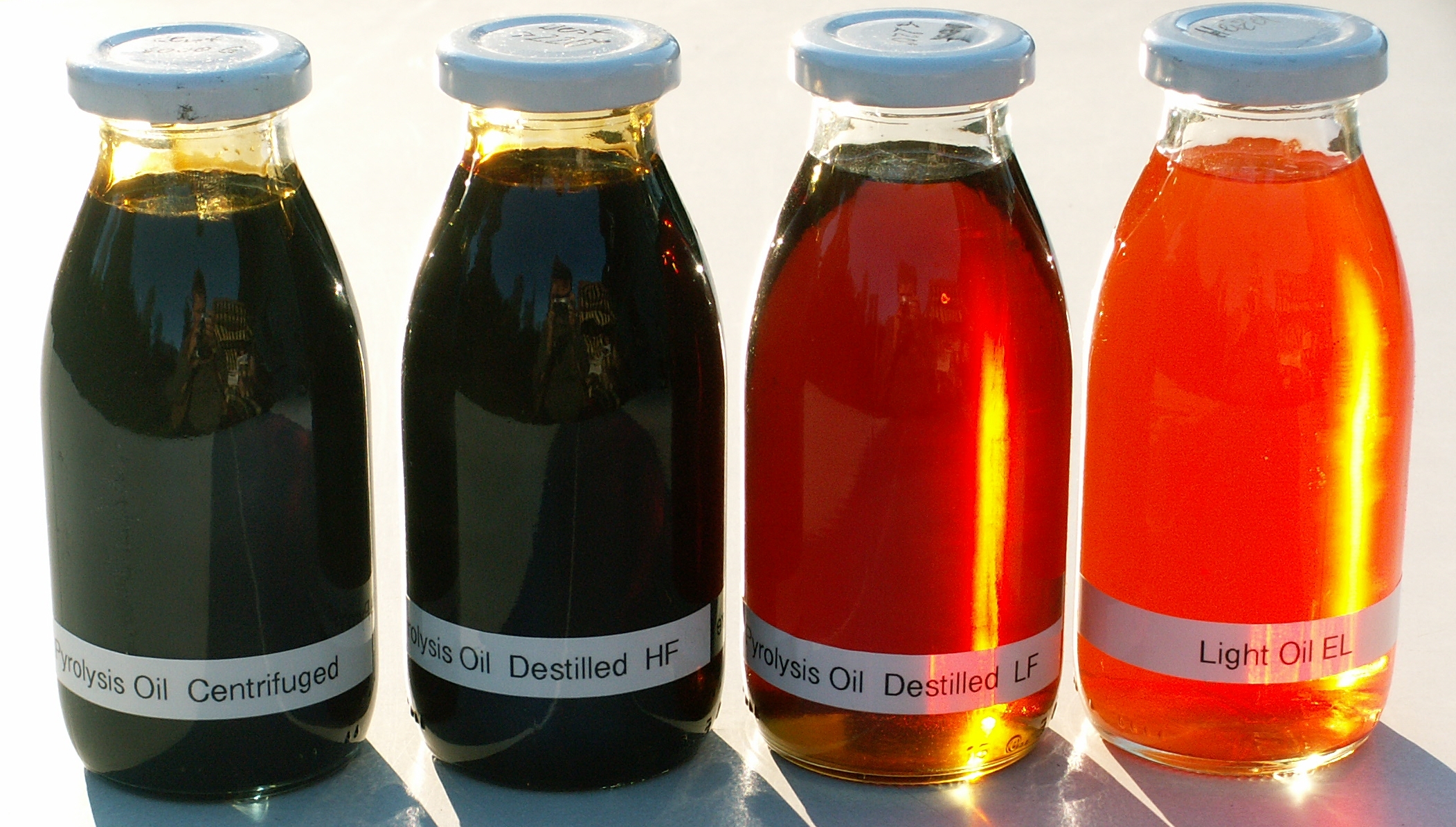
In some cases, TDU thermal desorption allows for the recovery of valuable resources from contaminated materials. For example, reclaimed oil or other valuable substances can be extracted and repurposed.
5. Regulatory Compliance
TDU thermal desorption aligns with regulatory guidelines for hazardous waste management. By effectively treating and removing contaminants, this technology supports environmental compliance and helps industries adhere to stringent waste disposal regulations.
Environmental Impact Assessment
Positive Environmental Contributions
- Preventing Contaminant Spread: By rapidly treating contaminated materials, TDU thermal desorption prevents the further spread of hazardous substances, mitigating the potential for environmental harm.
- Reducing Landfill Burden: The volume reduction achieved through TDU thermal desorption lessens the burden on landfills, promoting more sustainable waste management practices.
- Emission Control: While TDU thermal desorption involves the release of contaminants during the treatment process, advanced systems are designed to capture and treat these emissions, minimizing the impact on air quality.
Challenges and Considerations
- Energy Consumption: The high temperatures required for thermal desorption necessitate significant energy input. Balancing the environmental benefits with energy consumption remains a consideration in the overall sustainability of the technology.
- Residuals Management: The byproducts and residuals generated during the TDU thermal desorption process require careful management. Ensuring their safe treatment and disposal is essential for a comprehensive environmental impact assessment.
- Site-Specific Considerations: The effectiveness of TDU thermal desorption can be influenced by site-specific factors, such as soil composition, contaminant types, and regulatory frameworks. A thorough site assessment is crucial for optimal results.
Technological Innovations
As tyre pyrolysis plant China continues to play a pivotal role in hazardous waste management, ongoing technological innovations seek to address existing challenges and enhance the overall efficiency of the process.
- Advanced Monitoring Systems: Integration of advanced monitoring systems allows real-time tracking of temperature profiles, contaminant concentrations, and emissions, enabling precise control and optimization.
- Energy Recovery Systems: Innovations in energy recovery systems aim to offset the high energy requirements of TDU thermal desorption, improving overall process sustainability.
- Integration with Other Technologies: Combining TDU thermal desorption with complementary technologies, such as vapor condensation or membrane separation, provides synergistic effects that enhance contaminant capture and overall efficiency.
Future Directions
The future of TDU thermal desorption in hazardous waste management is promising, with ongoing research and advancements paving the way for more sustainable and efficient practices.
- Circular Economy Integration: Exploring opportunities to integrate TDU thermal desorption with circular economy principles can enhance resource recovery and minimize waste generation.
- Global Adoption: Encouraging the global adoption of TDU thermal desorption technologies requires collaborative efforts between regulatory bodies, industries, and technology developers. Establishing international standards can facilitate a more consistent and widespread application.
- Community Engagement: As TDU thermal desorption projects are often implemented in proximity to communities, fostering transparent communication and community engagement is crucial. Public awareness and participation can contribute to the success and social acceptance of such projects.
Conclusion
TDU thermal desorption represents a powerful and transformative approach to hazardous waste management, raising the temperature to confront environmental contamination head-on. With its versatility, on-site capabilities, and positive environmental contributions, this technology is instrumental in remediating contaminated soils and sludge. As innovations continue to address challenges and optimize the process, TDU thermal desorption holds the potential to reshape the landscape of hazardous waste management, offering a sustainable and effective solution for a cleaner and safer environment.