A Comprehensive Guide to Different Types of Pulp Molding Machines

Pulp molding technology has transformed the manufacturing of sustainable packaging solutions. With the growing demand for environmentally friendly alternatives, equipment like paper moulding machines and specialized industrial packaging equipment has gained prominence. Understanding the types of paper moulding machine is essential for businesses aiming to integrate sustainable practices into their operations.

1. Paper Egg Tray Making Machine

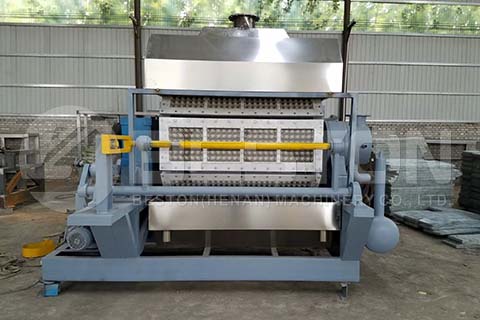
The paper egg tray making machine is one of the most widely used pulp molding systems. Its primary function is to produce protective trays for egg packaging, utilizing recycled paper as the main raw material. These machines are available in manual, semi-automatic, and fully automatic models, catering to various production capacities.

Modern paper egg tray making machines incorporate precision molds and automated drying systems, ensuring high efficiency and uniform product quality. Their scalability and low energy consumption make them an ideal choice for small businesses and large-scale producers alike.

2. Apple Tray Machine

The apple tray machine is specifically designed to produce trays for delicate fruit packaging. These trays offer superior cushioning, protecting fruits like apples during transportation and storage. Unlike general-purpose paper moulding machines, the apple tray machine often includes features to accommodate varying fruit sizes and weights.

Advanced models of apple tray machines utilize interchangeable molds, enabling producers to adapt to different fruit packaging needs without investing in additional equipment. This versatility ensures long-term usability and cost efficiency.

3. Industrial Packaging Equipment

Industrial packaging equipment encompasses a broader category of pulp molding machines tailored for various sectors. These machines are engineered to produce durable packaging solutions for electronics, medical devices, and other high-value products.

Unlike traditional paper moulding machines, industrial packaging equipment often incorporates complex mold designs to create customized shapes. The use of high-pressure molding techniques ensures robustness, making these machines indispensable in industries requiring precision packaging.

4. Rotary Pulp Molding Machine

Rotary pulp molding machines are designed for high-volume production. These machines feature a continuous rotation system, allowing multiple molds to operate simultaneously. The result is a significant increase in production efficiency, making them ideal for large-scale operations.

Equipped with automated pulp feeding and drying systems, rotary machines reduce labor requirements while maintaining consistent quality. They are commonly used in producing disposable tableware, seedling trays, and industrial packaging products.

5. Reciprocating Pulp Molding Machine

Reciprocating pulp molding machines operate with a back-and-forth motion, suitable for low-to-medium production scales. While less efficient than rotary models, these machines are more compact and cost-effective, making them a popular choice for small businesses.

Their simplicity in design also ensures ease of maintenance, reducing long-term operational costs. These machines are typically used for producing paper egg trays and small-scale packaging solutions.

Conclusion

Pulp molding machines, including paper moulding machines, industrial packaging equipment, paper egg tray making machines, and apple tray machines, play a pivotal role in advancing sustainable packaging solutions. Their versatility, efficiency, and adaptability make them essential for businesses aiming to align with environmental goals. By selecting the appropriate type of machine based on production needs and budget, manufacturers can achieve both operational efficiency and ecological stewardship, driving long-term success in an evolving market.
Maintenance Tips for Egg Carton Manufacturing Machines

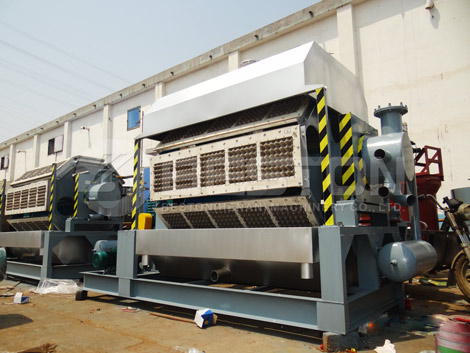
Egg carton manufacturing machines play a critical role in the packaging industry, ensuring that eggs are safely transported while minimizing environmental impact. These machines operate in a demanding environment, requiring consistent upkeep to maintain productivity and quality. Proper maintenance not only extends the lifespan of the equipment but also enhances operational efficiency and reduces the likelihood of costly downtime. Below are essential maintenance tips to ensure the long-term reliability of an egg carton machine.

1. Regular Inspection of Mechanical Components

The mechanical components of an egg carton machine, such as conveyors, molds, and presses, undergo significant wear and tear during continuous operation. Routine inspections are crucial for identifying potential issues before they develop into major failures. Regularly check for:

  • Worn-out bearings and chains that may compromise machine performance.
  • Loose bolts or fasteners, which could lead to machine misalignment.
  • Deformities in the molding system that might affect the consistency of the cartons.

By identifying these minor issues early, manufacturers can avoid major repairs and maintain uninterrupted production.

2. Lubrication and Oil Changes

Friction between moving parts is inevitable in high-speed machinery. To minimize wear and prevent overheating, consistent lubrication is essential. For pulp tray machine, focus on:

  • Lubricating gearboxes, shafts, and bearings regularly to ensure smooth movement.
  • Changing oil and grease at intervals recommended by the manufacturer to maintain the efficiency of moving parts.
  • Ensuring that the lubrication system is free from blockages to avoid machine malfunctions.

Proper lubrication reduces friction, promotes smoother operations, and minimizes the risk of overheating, thus ensuring that the machine operates at optimal capacity.

3. Cleaning and Preventing Build-up

Similarly, paper egg tray making machine is frequently exposed to moisture, pulp, and other raw materials, which can lead to the accumulation of debris and build-up. Excessive build-up can hinder machine performance and even cause component damage. To prevent this:

  • Clean the mold area thoroughly after each production run to remove pulp residue and moisture.
  • Use compressed air to clean the conveyor belts, mold cavities, and intricate parts.
  • Pay special attention to drainage systems to prevent blockages caused by pulp waste.

A clean machine runs more efficiently, which directly correlates with improved product quality and reduced downtime.

4. Check Electrical Systems and Sensors

Molded pulp equipment relies on complex electrical systems, including sensors that monitor production speed, temperature, and moisture levels. Malfunctions in these systems can cause production stoppages or irregularities in carton quality. Ensure the following:

  • Inspect all wiring for signs of wear, cuts, or exposed wires that could lead to short circuits.
  • Test sensors and controls regularly to ensure accurate readings and calibration.
  • Verify that the control panels are functioning properly and all emergency stop buttons are operational.

By maintaining electrical components, the machine’s automated features will continue to perform optimally, minimizing human error and improving overall production efficiency.

5. Monitor Temperature and Humidity Controls

Temperature and humidity play an essential role in the drying process of egg cartons. If not regulated properly, these factors can affect the quality and strength of the cartons. Regularly check and adjust:

  • The dryer temperature to ensure that the pulp is dried evenly, preventing under-drying or over-drying.
  • The humidity control system to maintain optimal moisture levels in the pulp, which impacts carton strength.

Proper environmental control ensures that the egg cartons are of the highest quality, with the right balance of strength and flexibility to protect eggs during transportation.

6. Schedule Professional Maintenance

While routine maintenance can be performed in-house, certain tasks require professional expertise. Scheduling regular service visits from qualified technicians ensures that the machine is calibrated correctly and that all systems are working at peak efficiency. Technicians can also identify potential issues that may not be apparent to regular operators.

Conclusion

Maintaining an egg carton machine requires a proactive approach, including regular inspection, lubrication, cleaning, and attention to electrical and environmental systems. By adhering to a structured maintenance plan, manufacturers can enhance machine performance, reduce downtime, and prolong the lifespan of the equipment. The result is a more efficient production process and a higher-quality product, contributing to the success of the business.