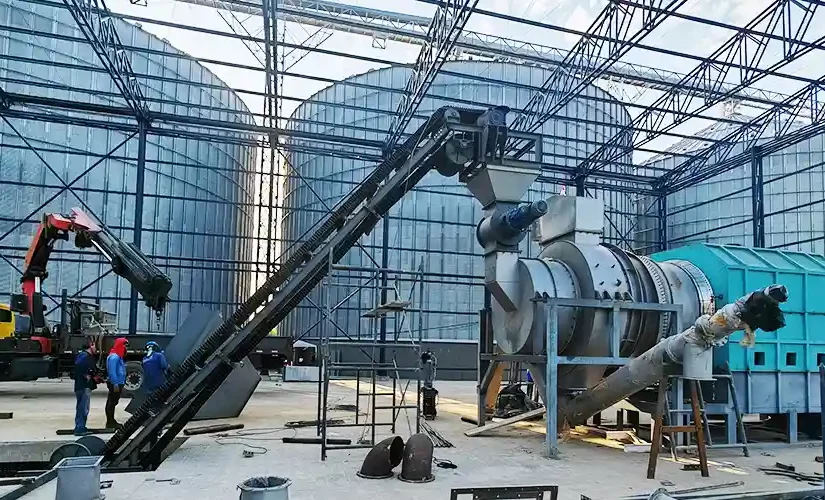
The growing demand for sustainable biomass utilization has accelerated the adoption of advanced biochar production technologies. Agricultural residues, forestry by-products, and other forms of organic biomass are increasingly viewed as valuable raw materials rather than waste. Converting these materials into biochar not only supports resource recovery but also contributes to improved soil management, renewable energy development, and carbon sequestration.
Automation has become a defining feature of modern biochar production systems. By integrating intelligent control technologies with advanced carbonization processes, manufacturers can achieve higher productivity, greater operational consistency, and improved energy efficiency. From material feeding to temperature regulation and product discharge, automated equipment minimizes manual intervention while optimizing every stage of production.
Intelligent Material Handling Improves Workflow
One of the most significant advantages of automated systems is the efficient management of biomass feedstock. Traditional production methods often rely on manual loading and inconsistent feeding rates, which can disrupt thermal stability and reduce product quality.
Modern charcoal machine designs incorporate automated feeding mechanisms that continuously deliver biomass into the carbonization chamber at controlled rates. This steady material flow maintains consistent reaction conditions and reduces production interruptions.
Whether processing wood chips, rice husks, bamboo, sawdust, or agricultural residues, automated handling systems enhance throughput while lowering labor requirements. The result is a more streamlined production process capable of operating for extended periods with minimal supervision.
Precise Temperature Control Enhances Carbonization
Temperature management is one of the most critical factors influencing biochar quality. Even minor fluctuations can affect carbon content, product yield, and overall process efficiency.
Advanced automation systems continuously monitor reactor temperature through integrated sensors and intelligent control software. Heating intensity is adjusted automatically according to processing requirements, ensuring optimal carbonization conditions throughout the production cycle.
A biomass carbonization machine equipped with automated thermal regulation delivers more uniform heat distribution and improves conversion efficiency. Stable operating conditions also reduce unnecessary energy consumption while increasing the consistency of the finished biochar.

Continuous Operation Increases Productivity
Modern biochar facilities increasingly favor continuous production over batch processing because uninterrupted operation maximizes equipment utilization and minimizes downtime.
Automated discharge systems remove finished biochar while fresh biomass is simultaneously introduced into the reactor. This continuous workflow reduces idle periods associated with manual unloading and equipment restarting.
For businesses processing specialized feedstocks, such as coconut shells or crop residues, dedicated equipment can further improve efficiency. A coconut charcoal machine is designed to accommodate the dense structure of coconut shells, ensuring stable carbonization and consistent product quality. Likewise, a straw charcoal machine is optimized to process lightweight agricultural residues with greater reliability and reduced material loss.
By matching equipment design to feedstock characteristics, operators can achieve higher production efficiency and improved resource utilization.
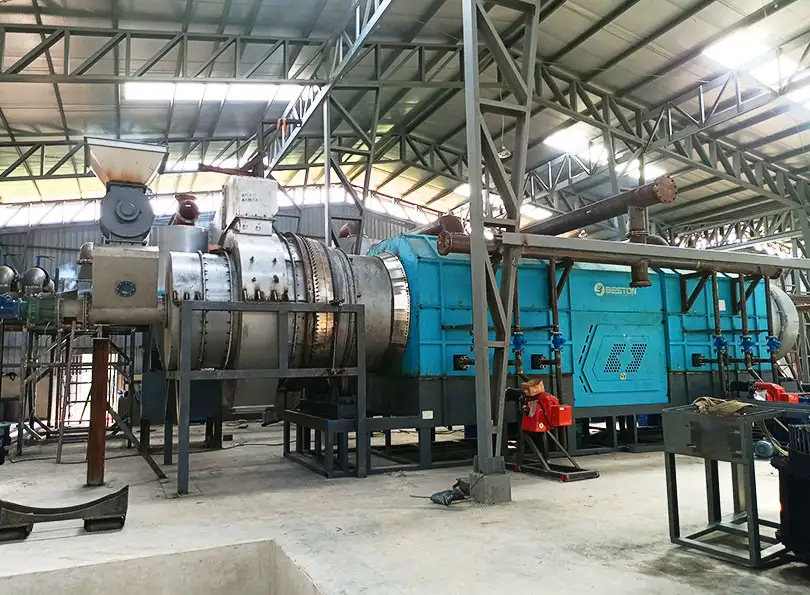
Automated Energy Recovery Reduces Operating Costs
Carbonization generates combustible gases as volatile compounds are released from biomass. Instead of treating these gases as waste, advanced systems capture and recycle them as supplementary fuel for the heating process.
Automation plays an important role in regulating gas collection, combustion, and heat distribution of straw charcoal machine. Intelligent control systems balance fuel supply with thermal demand, reducing dependence on external energy sources.
This closed-loop energy management approach lowers operational expenses while improving overall thermal efficiency. It also supports more sustainable production by maximizing the utilization of energy generated during carbonization.
Digital Monitoring Improves Equipment Reliability
Automation extends beyond production control. Modern biochar systems integrate digital monitoring technologies that continuously evaluate equipment performance and operating conditions.
Parameters such as pressure, temperature, airflow, and gas composition can be analyzed in real time. If abnormal conditions occur, automated warning systems alert operators before minor issues develop into significant mechanical failures.
Predictive maintenance capabilities further improve equipment reliability by identifying components that require servicing before unexpected downtime occurs. This proactive management strategy increases operational stability and extends equipment lifespan.
Supporting Sustainable Industrial Development
Automated biochar production aligns with broader sustainability objectives by improving resource efficiency and reducing environmental impact. Consistent processing conditions produce high-quality biochar suitable for agricultural, industrial, and environmental applications while minimizing waste and energy consumption.
As demand for renewable carbon materials continues to grow, automation enables manufacturers to scale production without sacrificing quality or operational control. Higher efficiency also enhances the economic viability of biomass conversion projects, encouraging wider adoption across multiple industries.
Conclusion
Automation is transforming biochar production by improving precision, efficiency, and operational reliability. Intelligent feeding systems, continuous carbonization, automated energy recovery, and real-time monitoring collectively create a more productive and sustainable manufacturing process.
Whether utilizing a charcoal machine for general biomass processing, a coconut charcoal machine for dense shell materials, a biomass carbonization machine for diverse organic feedstocks, or a straw charcoal machine for agricultural residues, automated technology enables producers to maximize output while minimizing energy consumption and operating costs. As biomass utilization continues to evolve, intelligent production systems will remain central to the future of efficient and sustainable biochar manufacturing.