Impact of Rice Husk Ash Content on Pyrolysis Efficiency

The presence of ash content in rice husk significantly influences the pyrolysis process. Rice husk, a common biomass feedstock for pyrolysis plants, contains organic matter, minerals, and ash that can affect both the efficiency and quality of the products produced during thermal decomposition. The ash content is one of the critical factors in determining the outcome of the pyrolysis process, including the yield of bio-oil, gas, and char. This article explores the influence of rice husk ash on pyrolysis efficiency, examining the potential challenges and solutions associated with high ash content.

The Role of Ash in Rice Husk Pyrolysis

Ash is an inorganic component that remains after the complete combustion of organic material. In the case of rice husk, it contains minerals such as silica, potassium, calcium, magnesium, and other trace elements. While these elements are beneficial in some contexts, their presence in the feedstock can pose challenges in a rice husk charcoal making machine. Ash content varies depending on the rice variety and cultivation practices, but typically, rice husk contains around 15-20% ash by weight.

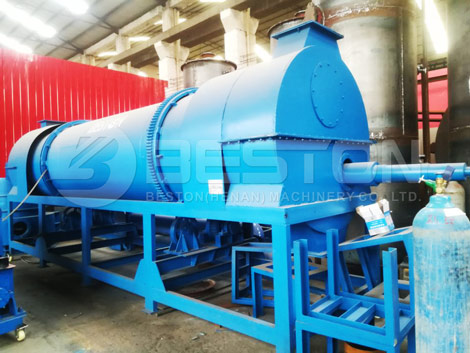
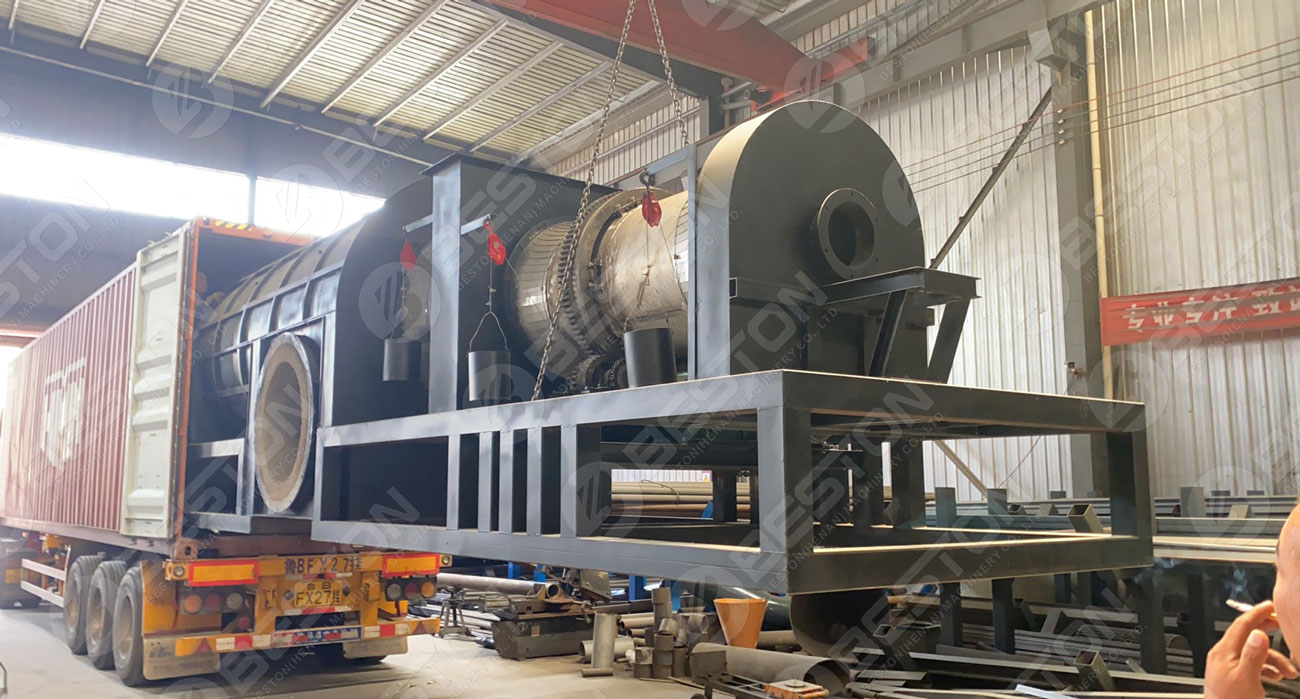
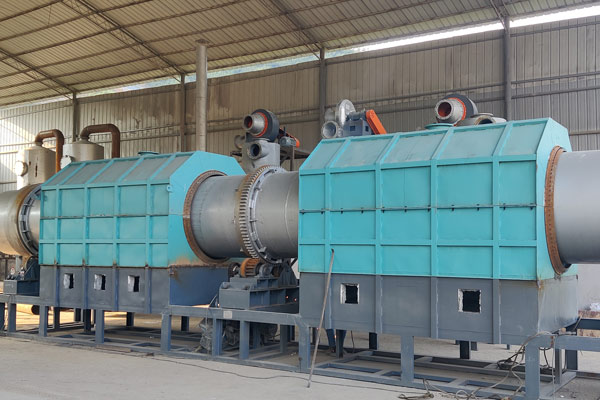
Rice Husk Carbonizer

Ash can have a dual effect on the pyrolysis process. On the one hand, it acts as a stabilizing agent, helping to control the temperature during pyrolysis by acting as a heat sink. On the other hand, excessive ash can negatively impact the thermal efficiency and the quality of the products. The more ash present, the lower the yield of bio-oil, and the higher the production of solid char. Furthermore, high ash content can cause operational issues by increasing the wear and tear on the pyrolysis plant’s equipment.

Effects on Pyrolysis Efficiency and Product Yield

The ash content in rice husk can have a direct impact on the pyrolysis efficiency. Pyrolysis is a highly temperature-dependent process that involves the breakdown of complex organic molecules into smaller hydrocarbons. When high-ash feedstocks are introduced into the biochar production equipment, the heat transfer efficiency may be hindered. This leads to less efficient cracking of organic materials, resulting in lower yields of bio-oil and gas, while the solid char output may increase. The increase in char production may be undesirable in most cases, as it represents a less valuable byproduct compared to liquid and gaseous products.

High ash content can also influence the viscosity and quality of the produced bio-oil. In some cases, ash may promote the formation of unwanted tars and condensates, which can be difficult to separate and process. The higher the ash content, the greater the likelihood of tar formation during pyrolysis, which reduces the overall quality of the bio-oil.

Challenges of High Ash Content in Rice Husk

There are several challenges associated with high ash content in rice husk, the most significant of which is the wear and tear on the pyrolysis plant’s machinery. The presence of ash can lead to the accumulation of solid residues in the reactor and other components, which in turn increases the frequency of maintenance and cleaning. Ash build-up can also cause blockages in the system, impeding the flow of gases and decreasing the overall throughput of biomass pyrolysis machine.

Another challenge is the potential for corrosion caused by certain minerals in the ash. For example, high levels of potassium and sodium in the ash can cause corrosion of the reactor walls and pipes over time. This can reduce the lifespan of the equipment and necessitate expensive repairs or replacements. Moreover, the high melting point of ash makes it difficult to handle during the process, as it can cause clogging and operational inefficiencies.

Managing Ash Content for Enhanced Pyrolysis Performance

To mitigate the negative impacts of high ash content, it is crucial to implement strategies for managing and controlling the feedstock quality. One approach is to blend rice husk with other biomass materials that have lower ash content. This helps reduce the overall ash concentration, improving the thermal efficiency of the process.

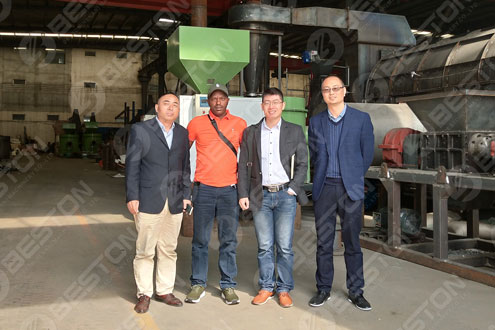
Rice Husk Carbonizer in Colombia

Additionally, pre-treatment techniques such as washing or sieving can help remove a portion of the ash before feeding the material into the pyrolysis plant. While these pre-treatment steps may increase operational costs, they can improve the overall performance of the pyrolysis plant by reducing the negative effects of ash on the process. If you are interested in biomass pyrolysis, please contact Beston Group.

Optimizing Pyrolysis for Rice Husk with High Ash Content

In cases where high ash content cannot be avoided, it is possible to optimize the pyrolysis plant’s operation to accommodate these challenges. Adjusting the temperature and residence time in the reactor can help mitigate the impact of ash on pyrolysis efficiency. Moreover, using advanced catalysts or modifying the reactor design can improve the cracking process, increasing bio-oil yields and enhancing product quality.

By monitoring and controlling the ash content in the feedstock, operators can ensure that the pyrolysis plant operates efficiently, even with feedstocks like rice husk that contain significant amounts of ash. Through the careful management of feedstock quality and process conditions, it is possible to achieve high yields of valuable products while minimizing the negative effects of ash on pyrolysis efficiency.

Production Process of Rice Husk Charcoal Briquette

Rice husk charcoal briquettes, a byproduct of the rice milling industry, have emerged as a versatile and eco-friendly fuel source with a wide range of applications. This sustainable alternative to traditional fossil fuels offers numerous benefits, including high energy density, low emissions, and cost-effectiveness.

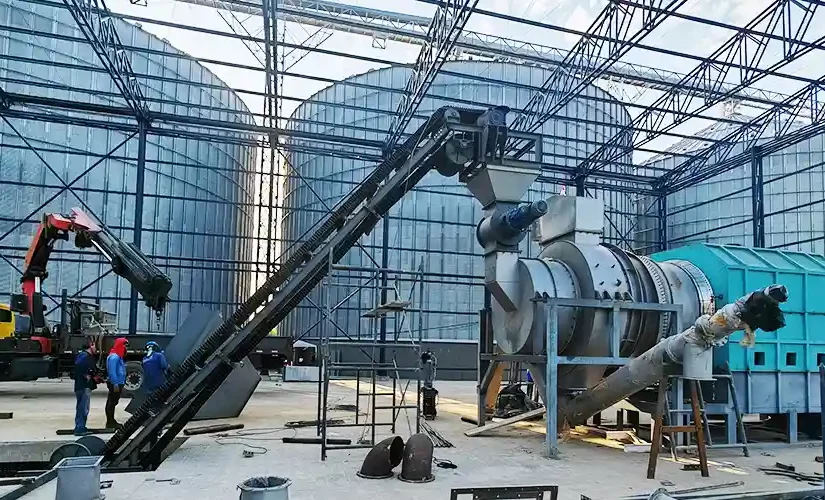
Rice Husk Charcoal Making Machine

Domestic Applications

Cooking:

Rice husk charcoal briquettes from charcoal making machine are increasingly popular for cooking in both rural and urban households. They provide a clean, smokeless, and efficient cooking solution, reducing indoor air pollution and improving health. When compared to traditional fuels like wood or coal, rice husk charcoal briquettes produce less smoke and ash, leading to cleaner kitchens and healthier cooking environments.

Heating:

In colder regions, these briquettes can be used to heat homes and other buildings. They offer a reliable and affordable heating option, especially in areas with limited access to natural gas or electricity. Rice husk charcoal briquettes can be used in traditional stoves and furnaces, providing consistent heat output and reducing reliance on fossil fuels.

Biochar for Charcoal-derived Product Processing

Industrial Applications

Metallurgical Industry:

In the metallurgical industry, rice husk charcoal making machine is used as a reducing agent production solution in smelting processes. They help to reduce metal oxides and extract pure metals, such as iron and copper. Compared to traditional carbon-based reducing agents, rice husk charcoal briquettes offer several advantages, including higher reactivity, lower sulfur content, and improved metal quality.

Ceramic Industry:

These briquettes are employed as a fuel source in ceramic kilns. They provide a consistent heat source, enabling precise control over the firing process and improving the quality of ceramic products. Rice husk charcoal briquettes burn more cleanly and evenly than traditional fuels, resulting in less waste and higher-quality ceramics.

Chemical Industry:

In the chemical industry, rice husk charcoal briquettes are used as a catalyst and adsorbent in various chemical reactions. Their high surface area and porous structure make them ideal for these applications. Rice husk charcoal can be activated to create activated carbon, a highly porous material used in water purification, air filtration, and other industrial processes.

Environmental Benefits

Reduced Carbon Emissions:

By utilizing rice husk charcoal briquettes, industries and households can significantly reduce their carbon footprint. This helps to mitigate climate change and improve air quality. The combustion of rice husk charcoal briquettes releases significantly lower levels of greenhouse gases compared to fossil fuels, contributing to a more sustainable future. For more carbon reduction solutions, please consult Beston Group.
Waste Reduction:

The production of rice husk charcoal briquettes provides a sustainable solution for managing rice husk waste, which would otherwise be burned or discarded, contributing to environmental pollution. By converting rice husk waste into a valuable fuel source, we can reduce waste disposal and minimize its negative impact on the environment.

Sustainable Energy Source:

Rice husk charcoal briquettes offer a renewable and sustainable energy source, reducing dependence on fossil fuels and promoting energy security. By utilizing a locally available and renewable resource, we can reduce our reliance on imported fossil fuels and enhance energy independence.

Biochar for Cash Crop Cultivation

Future Prospects

As the demand for clean and sustainable energy sources continues to grow, rice husk charcoal briquettes are poised to play an increasingly important role. Advancements in charcoal briquette making machine technology and production processes are further enhancing the efficiency and quality of these briquettes.

By promoting the adoption of this versatile fuel source, we can contribute to a more sustainable and environmentally friendly future.

Impact of Wood Type on Charcoal Production Efficiency

The type of wood used in charcoal production significantly influences the quality, yield, and energy output of the final product. Each wood species exhibits distinct physical and chemical characteristics that determine its suitability for carbonization. Understanding these variables can help producers optimize their operations and enhance profitability when employing advanced systems such as a wood charcoal machine.

BST-50 Charcoal Making Machine in Croatia

Key Properties of Wood for Charcoal Production

When evaluating wood for wood to charcoal machine, several factors come into play:

  1. Density
    High-density woods, such as oak and hickory, produce dense charcoal with a prolonged burn time and high heat output. These properties make them ideal for industrial and culinary applications. Conversely, low-density woods, like pine or poplar, yield lighter charcoal that burns faster but may lack durability under high-temperature conditions.
  2. Moisture Content
    The moisture level in wood directly impacts the efficiency of the carbonization process. Woods with high moisture content require additional drying time and energy, reducing overall efficiency. Using pre-dried or kiln-dried wood can improve the output rate of a wood charcoal machine.
  3. Lignin and Cellulose Composition
    Lignin, a complex polymer in wood, contributes to the hardness and density of the resulting charcoal. Woods with higher lignin content typically yield charcoal with better structural integrity. Cellulose and hemicellulose levels, on the other hand, affect the release of volatile compounds during pyrolysis, influencing the texture and burn characteristics.

Types of Wood and Their Charcoal Attributes

  1. Hardwoods
    Hardwoods such as oak, maple, and mahogany are preferred for high-grade charcoal. Their high density ensures efficient energy retention and minimal ash residue. Hardwoods are particularly suitable for applications requiring sustained heat, such as metallurgical processes.
  2. Softwoods
    Softwoods like pine, fir, and spruce are less dense and contain higher levels of resin. While they are easier to ignite, their resin content may result in uneven burn characteristics and higher smoke output, making them less desirable for premium-grade charcoal.
  3. Tropical Woods
    Some tropical species, such as mangrove or teak, are widely used in regions with abundant forest resources. These woods often combine high density with favorable combustion properties, producing charcoal with a balanced burn rate and heat output.
  4. Agricultural Residues and Mixed Woods
    In sustainable practices, producers may incorporate agricultural residues, such as sawdust or small wood branches, into the process. Using a charcoal briquette machine equipped with biomass compatibility, these materials can be effectively carbonized to diversify production. However, their lower density typically results in lighter charcoal.

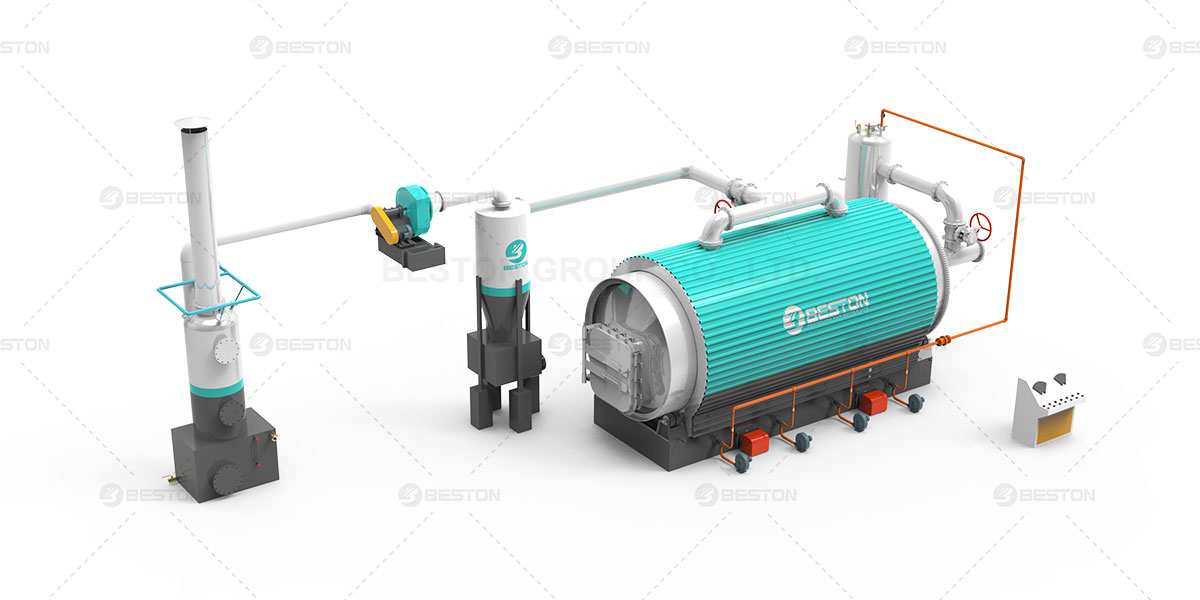
Beston Biomass Pyrolysis Plant with Advantage Technology

Role of Advanced Technology

Modern wood charcoal making machine is designed to accommodate a variety of wood types while maximizing efficiency. These machines use pyrolysis technology, a process that heats biomass in the absence of oxygen, to convert wood into high-quality charcoal. Features such as temperature control, continuous feed systems, and integrated drying chambers allow producers to process woods with varying properties without significant quality loss.

For example, machines equipped with automated moisture sensors adjust operational parameters to compensate for wetter wood, optimizing energy usage and ensuring consistent output. Such innovations enable the economic utilization of less conventional or mixed wood sources.

Sustainability and Resource Management

Choosing the right wood type is not only a technical decision but also an environmental consideration. Overharvesting high-value hardwoods can deplete forests, disrupting ecosystems. Sustainable practices, including replanting and sourcing from managed forests, are crucial for balancing production demands with ecological preservation. Additionally, utilizing wood waste and residues aligns with circular economy principles, minimizing resource wastage. To explore more possibilities of charcoal production, consult Beston Company.

Modern wood charcoal machines also support sustainability by reducing emissions compared to traditional methods, such as pit burning. Advanced filtration systems capture by-products like wood vinegar and tar, which can be sold for additional revenue, further enhancing the environmental and economic viability of charcoal production.

Conclusion

The choice of wood plays a pivotal role in determining the efficiency and quality of charcoal production. Factors such as density, moisture content, and lignin composition all contribute to the final output’s performance. Leveraging advanced wood charcoal machines allows producers to optimize these variables while embracing sustainable practices. By understanding the nuanced impact of different wood types, manufacturers can refine their processes and maximize profitability without compromising ecological integrity.

How Charcoal Briquette Machine Serve as An Auxiliary in Charcoal Production?

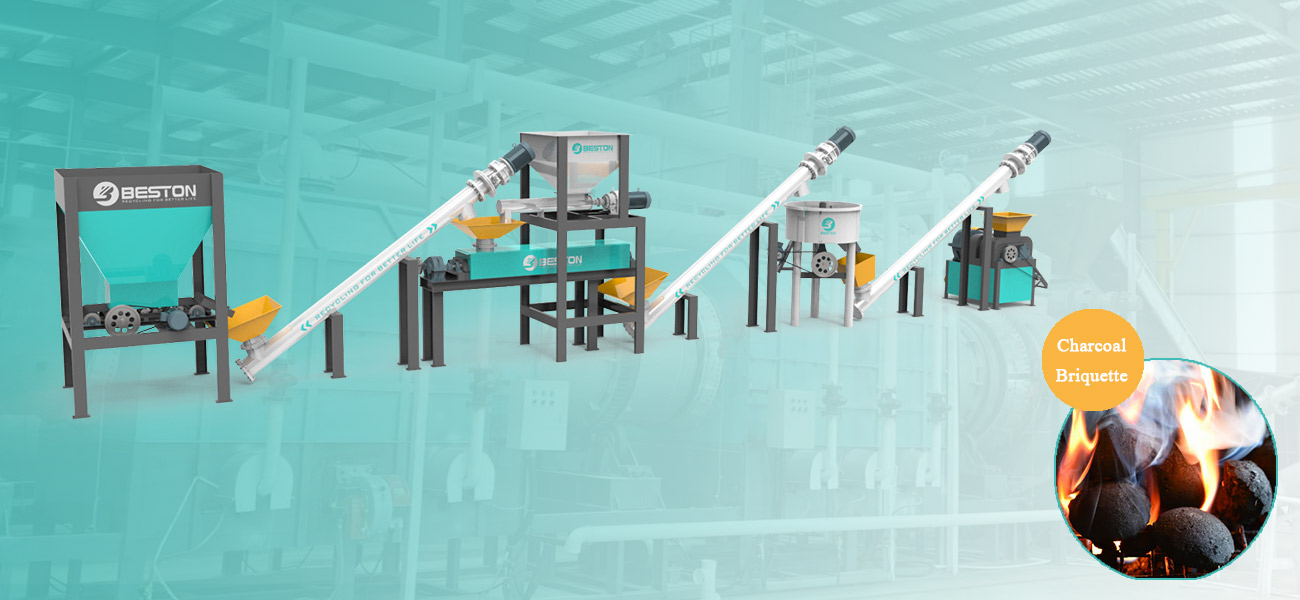
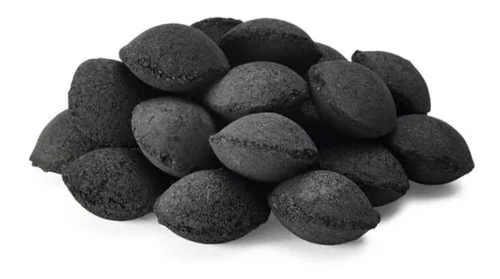
A charcoal briquette machine compress charcoal dust into briquettes. Charcoal briquette machines operate by forcing the charcoal material through a mold under high pressure. This pressure compacts the material into the desired shape, typically logs, squares, or hexagons. Binders like starch or clay are sometimes added to enhance the briquette’s structural integrity.

Charcoal Briquette Machine

Charcoal Briquette Machine’s Place in the Charcoal Production Process

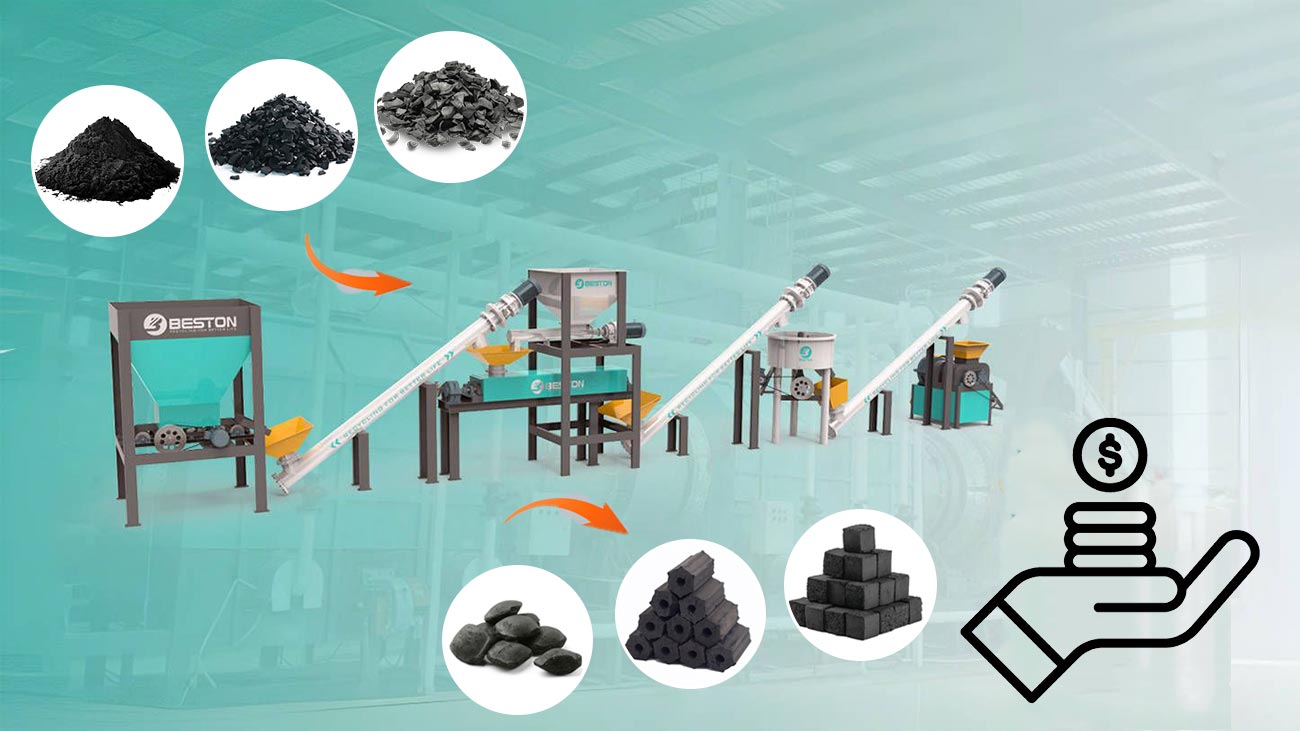
While the charcoal briquette machine is a crucial player, it’s just one piece of the puzzle. Here’s a breakdown of the typical charcoal production process with the briquette machine’s role highlighted:

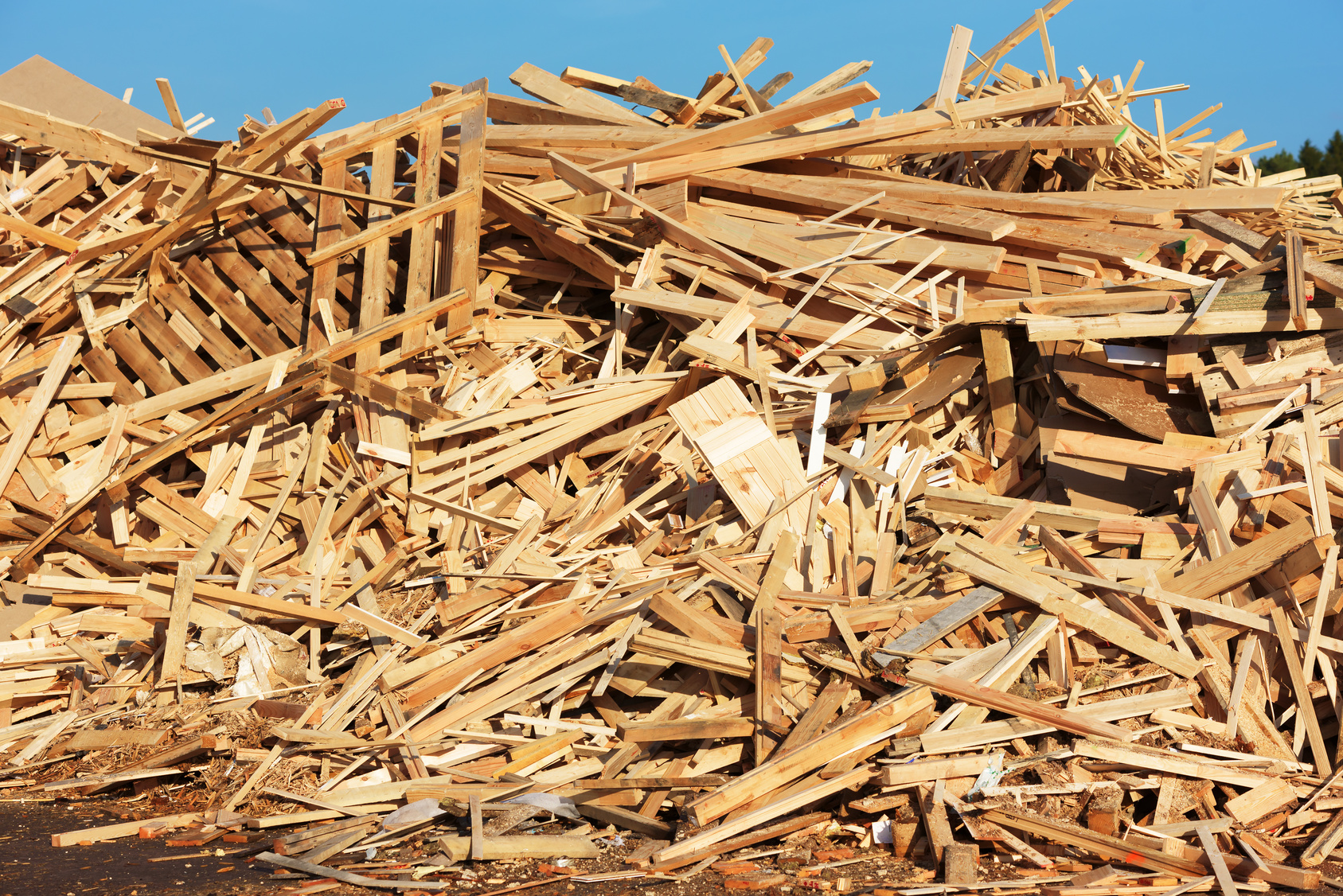
  • Raw Material Preparation: The process begins with acquiring suitable raw materials like wood, bamboo, or agricultural waste. These materials are often crushed or shredded into smaller pieces using grinders or crushers.
  • Charcoalization: The prepared raw materials are subjected to a charring process in biochar making machine. This process removes moisture and volatile components, leaving behind charcoal.
  • Grinding and Mixing (Where the charcoal briquette machine Comes In): The produced charcoal needs to be transformed into a suitable form for briquetting. Here’s where the charcoal briquette machine’s auxiliary role shines. Grinders pulverize the charcoal into a fine powder. Additionally, mixers may be used to blend the charcoal powder with binders and other additives to improve the briquettes’ burning characteristics and durability.
  • Briquetting: The prepared charcoal mixture is fed into the charcoal briquette machine. The machine applies high pressure, forcing the mixture through molds, shaping it into uniform briquettes.
  • Drying (Optional): Depending on the moisture content of the mixture, the finished briquettes may undergo a drying process to ensure proper storage and burning characteristics.
  • Packaging and Distribution: The final step involves packaging the briquettes for easy transportation and distribution to retailers or consumers.

Charcoal Briquette Making Plant

Benefits of Using Charcoal Briquette Making Machine

The inclusion of charcoal briquette machines in charcoal production offers a multitude of benefits, including:

  • Increased Efficiency: Briquettes burn more efficiently than loose charcoal, leading to better fuel utilization and reduced waste.
  • Improved Product Consistency: Charcoal briquette machines produce uniform briquettes with consistent burning characteristics, enhancing product quality and user experience.
  • Reduced Storage and Transportation Costs: The compact nature of briquettes reduces storage space requirements and transportation costs.
  • Environmental Advantages: Briquettes often produce fewer emissions compared to loose charcoal powder from charcoal machine, contributing to a cleaner environment.
  • Versatility: Briquette machines can handle various biomass materials, promoting the use of renewable resources.
  • Controlled Production: Briquette machines enable controlled production of charcoal briquettes, allowing producers to meet specific market demands.

Round Charcoal Briquettes

Beyond Briquettes: Exploring Additional Applications

While charcoal briquette machines primarily focus on charcoal production, their applications can extend beyond that:

  • Biomass Briquettes: These machines can be used to create briquettes from other biomass materials like sawdust, agricultural residues, or nut shells, promoting sustainable fuel options.
  • Industrial Applications: Briquettes can be used in industrial settings for processes like heat generation or power production.

The Briquette Machine – Powerful Tool in Charcoal Production

Charcoal briquette machines have revolutionized charcoal production, transforming it from a rudimentary process to a streamlined and efficient operation. These machines not only enhance the quality and consistency of the final product but also contribute to efficient fuel utilization, reduced environmental impact, and the effective use of renewable resources. Learn more with Beston Company!

Carbonized Gold: Examining the Valuable Outputs from Wood Pyrolysis

Wood pyrolysis, a process of heating wood in the absence of oxygen, has emerged as a fascinating avenue of study, offering a spectrum of valuable outputs often likened to “carbonized gold.” This article delves into the intricate world of the technology of wood chips charcoal making machine, exploring the diverse byproducts it yields and their applications across various industries.

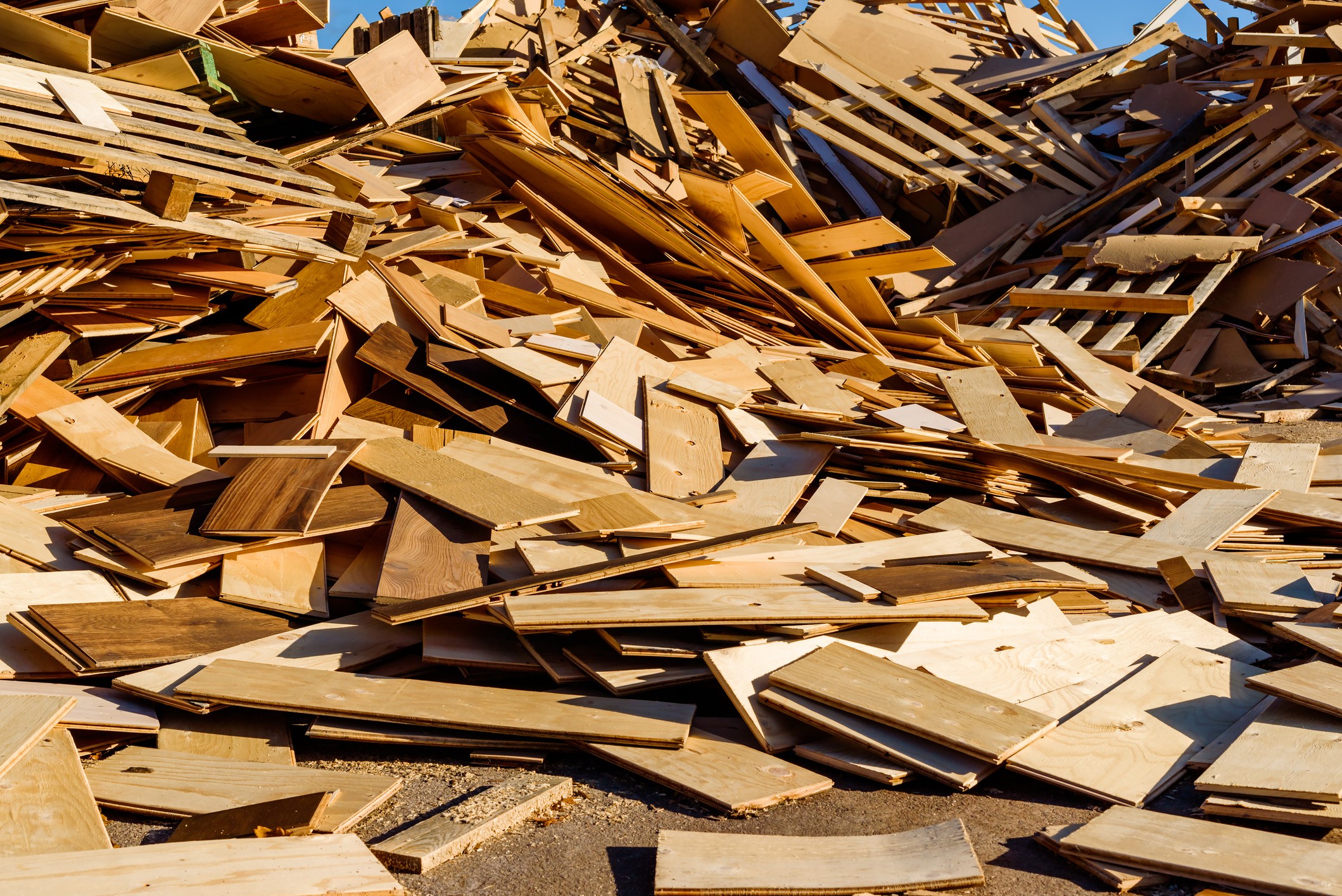
Biomass wood waste

The Basics of Wood Pyrolysis

Before we delve into the valuable outputs, let’s establish a foundational understanding of wood pyrolysis. This thermal decomposition process involves subjecting wood to high temperatures, typically between 300°C and 900°C, in an oxygen-deprived environment. As the wood undergoes pyrolysis, it transforms into several noteworthy byproducts, each possessing unique properties and applications.

The Residue Riches: Biochar

Biochar Unveiled

One of the most renowned byproducts of wood pyrolysis is biochar. This carbon-rich material is essentially the solid residue left behind after volatile gases and liquids have been driven off during pyrolysis. Biochar is celebrated for its ability to enhance soil fertility, sequester carbon, and promote sustainable agriculture. This technology of coconut charcoal machine also can process other materials.

Agricultural Applications

1. Soil Amendment: Biochar’s porous structure provides an ideal habitat for beneficial microorganisms, enhancing soil fertility and nutrient retention.

2. Carbon Sequestration: By integrating biochar into the soil, carbon is sequestered for the long term, mitigating the impact of carbon emissions on the environment.

3. Water Retention: Biochar’s porous nature also aids in water retention, reducing the need for frequent irrigation in agriculture.

Gaseous Gold: Syngas

The Synergistic Gas

Syngas, a synthesis gas composed primarily of hydrogen and carbon monoxide, is a gaseous byproduct of wood pyrolysis. This versatile gas has applications across various industries, making it a valuable output with potential economic and environmental benefits.

Industrial Applications

1. Energy Production: Syngas can be used as a fuel in gas turbines or engines, generating electricity and heat. This application contributes to cleaner energy production.

2. Chemical Synthesis: Syngas serves as a precursor for the production of various chemicals, including methanol and synthetic fuels, fostering a sustainable approach to chemical synthesis.

3. Biomass Gasification: By utilizing syngas in biomass gasification, it becomes possible to convert various organic materials into a versatile fuel source.

Liquid Assets: Bio-oil Liquid Gold

Bio-oil, also known as pyrolysis oil, is a liquid byproduct extracted from wood pyrolysis. This dark, viscous substance is a complex mixture of organic compounds, presenting opportunities for alternative energy sources and industrial applications.

Energy and Industrial Uses

1. Biofuel Production: Bio-oil can be upgraded to produce biofuels, offering a renewable alternative to traditional fossil fuels.

2. Chemical Feedstock: The diverse composition of bio-oil makes it a potential feedstock for the production of chemicals and pharmaceuticals, contributing to the bio-based economy.

3. Industrial Heat Generation: The combustion of bio-oil can provide heat for industrial processes, reducing reliance on conventional energy sources.

wood carbonization

The Environmental Footprint

Sustainable Solutions

Wood pyrolysis, when conducted responsibly, offers an environmentally friendly approach to biomass utilization. The carbonization process contributes to carbon sequestration, mitigating the carbon footprint associated with traditional waste disposal methods.

Carbon Neutrality

The carbon released during pyrolysis of biochar maker for sale is part of the natural carbon cycle, as the trees absorbed this carbon dioxide during their growth. Therefore, when used for energy or other applications, wood pyrolysis can be considered carbon-neutral, further bolstering its appeal as a sustainable practice.

Challenges and Future Directions

While the outputs of wood pyrolysis hold immense promise, challenges remain, including optimizing production processes, addressing economic considerations, and ensuring environmental sustainability. Researchers and industry experts continue to explore ways to enhance the efficiency of wood pyrolysis and maximize the value of its byproducts.

Technological Innovations

1. Advanced Pyrolysis Technologies: Ongoing research focuses on developing advanced pyrolysis technologies that can improve the yield and quality of the byproducts.

2. Economic Viability: Innovations in economic models and processing techniques aim to make wood pyrolysis more commercially viable, driving its adoption on a larger scale.

3. Environmental Impact Assessment: Researchers are actively assessing the environmental impact of wood pyrolysis and working to minimize any potential negative effects, ensuring a holistic and sustainable approach.

Conclusion

In conclusion, wood pyrolysis stands as a transformative process, turning timber into a source of carbonized gold. The valuable outputs, including biochar, syngas, and bio-oil, offer a myriad of applications across agriculture, energy, and industry. As technology advances and sustainability remains at the forefront of global concerns, wood pyrolysis is poised to play a pivotal role in shaping a greener and more sustainable future. View more information about this topic: https://www.bestongroup.com/fr/.
The Small Charcoal Making Machine – Process And Application

In these financially trying times, many entrepreneurs are in search of a way to increase their income. This may include taking a second job – but for many, it is an opportunity to invest in equipment that allows them to run their own business. The ideal investment would represent excellent value for money, the product produced using the machinery would be in high demand, and the return on investment significant.

This is why many people invest in small charcoal making machine. Many of these machines also allow for the production of charcoal briquettes in a number of shapes and sizes – making them ideal for distribution to a wide variety of markets consisting of consumers who have different requirements. In addition, charcoal briquettes are also used in industrial processes. A market that is differentiated into home users (BBQ and heating) and industrial customers (heating of industrial boilers in factories) is tremendously attractive.

Small Charcoal Making Machine

Material for making briquettes using a small charcoal-making machine can be obtained from a variety of sources. Coal mining results in the production of a large amount of waste dust. This dust can be an excellent source of raw materials. Some small charcoal-making machines are tailor-made to handle coal dust. A second source is biomass from waste such as crop waste, wood, wood chips and sawdust, coconut shells, rice husks, sugarcane bagasse and many others. Those wishing to make briquettes out of biomass will require a charcoal kiln or use a carbonization furnace.

There are some core requirements that need to be met in order to operate a small charcoal machine. Firstly the raw material (including coal) needs to be less than 5mm. Secondly, the moisture content needs careful attention. 30% is accepted as the right level of moisture in the charcoal for making briquettes. Lastly, 4%-6% binder material needs to be added. This is typically corn starch or cassava starch.

The first step to getting into the briquette business is an investment in a small charcoal-making machine. these use carbonization in order to produce charcoal. The value of the raw material is therefore increased significantly.

The first step in the process is pre-treatment. In many cases, the moisture content of the raw material is too high and it will first have to be dried. Get competitive charcoal making machine price here.

Charcoal From Bamboo

Next, the raw material is fed into a carbonization furnace. The raw material is exposed to high temperatures in an environment that is oxygen-free. The byproducts of the carbonization process are tar and wood vinegar, both having a wide variety of applications in construction, industry, and agriculture. Another by-product is gas that can be used to drive combustion in the carbonization furnace or in various industrial and domestic applications. This increases the return on investment in the small charcoal-making machine. Finally, the charcoal is allowed to cool and then collected for packaging and distribution.

For entrepreneurs in search of a business opportunity, a small charcoal-making machine is ideal. Startup costs are low and product demand is high, especially given the number of markets that are available. Check the sawdust charcoal making machine here.

How You Can Use A Biomass Pyrolysis Plant For Profit

What is a biomass pyrolysis plant? Biomass is the term for trees, straw, lignocellulose, and other waste materials that are not burned, such as the waste from the farming industry and livestock manure. These waste materials are renewable, low in pollution, and widely distributed. Beston developed a biomass pyrolysis plant to sell, which will turn biomass into biogas and charcoal.

Beston Biomass Pyrolysis Machine

Low Pollution

The low pollution biomass pyrolysis equipment is designed to produce biochar and reduce greenhouse gas emissions. Its double-layer design allows the lower part of the machine to remain in contact with fresh air. The biomass is enriched with alkaline earth metals, which enhance its pore structure and suppress the emission of COS. A condenser helps cool the smoke and desulfurized steam. The combustible gas produced is minimal and moved by a fan to provide heat to the pyrolysis furnace.

Renewable

A renewable biomass pyrolysis plant converts waste organic materials into fuel, including bio-oil, a combustible liquid. This substance can then be refined further to create renewable diesel, jet fuel, and methane. In addition to fuel, biomass can be used for a variety of other purposes, including plastics, building materials, and paper. In addition to fuel, biomass pyrolysis can also produce electricity.

Utilized For Several Applications

Biomass pyrolysis is a process in which organic waste is oxidized, generating valuable raw materials like charcoal. The charcoal making machine is specifically designed for processing organic polymeric waste and biomass. The process results in both solid and liquid products, such as fuel and charcoal. The carbon-rich materials are then further processed to form other useful products. These products can be used in a variety of different applications, including fuel, biodiesel, chemicals, and plastics.

Economic Analysis

Fast pyrolysis of biomass will yield bio-oil and bio-gas at a cost of about one dollar per liter. The operating costs are higher for a fast pyrolysis plant, but can be reduced significantly through pretreatment and upgrading techniques. The by-products of biomass pyrolysis can be sold, thereby reducing the cost of the process. Economic analysis of biomass pyrolysis plant. Invest in this machine at a low cost: https://bestonasia.com/small-charcoal-making-machine/ https://bestonasia.com/small-charcoal-making-machine/.

Make Biochar Successfully

Feedstock Flexibility

A biomass pyrolysis plant is a process wherein a feedstock is converted to a useful chemical product. The process of biomass conversion involves growing and transporting biomass, processing it into various thermochemical energy products, and increasing oxygen availability. Particle residence time is optimized to yield different proportions and types of products. The boxes in the flow chart represent the primary products produced by the process. These products are pyrolysis oil and syngas, and these can be upgraded to liquid transportation fuels, electricity, and heat.

Efficiency

The most common type of biomass pyrolysis process is steam-fired. It is used to produce bio-oil, a complex mixture of oxygenated organic compounds, with a fuel value of 50-70% of petroleum-based fuels. Bio-oil is a valuable renewable fuel, and it can be used in boilers and upgraded to fuels for transportation. Bio-oil is less costly to produce than biomass and can be distributed to a centralized location for refining.

Cost

In order to evaluate the economic viability of biomass pyrolysis, the cost of the entire production process must be considered. Contact Bestongroup and start this business quickly. The production process includes hydroprocessing and reforming units. During the capital cost analysis, the major drivers of the production cost are the hydroprocessing and reforming units. Biomass plants are likely to achieve the lowest break-even selling point if the biomass used is cheap. The cost of biofuels is 158% higher than contemporary diesel fuel.

How Businesses Can Find A Low Charcoal Making Machine Price

There are just too many rubber tires being produced in the world today. They are quickly filling up available space and landfills. There are a few ways to convert these into something useful. One of the best ways to utilize rubber tires is to transition them into charcoal. The same is true with organic sludge that you may receive that your municipal solid waste company every day. Other materials such as rice husks, straw, sawdust, and even plastic bottles can be converted using a charcoal making machine for sale. If you want the lowest price point, you can obtain that very easily, by following these suggestions.

Charcoal Making Machine for Sale

How Much Will You Have To Pay For One?

The amount of money that you pay for one of these machines will differ from vendor to vendor. Not all of them are going to manufacture them at a low cost. It could be due to the cost of labor, or how large the machine is when trying to come up with a good price. The budget that you have to work with, and the location of the manufacturer, are all factors that must also be considered. If you want to pay for one, you can find low-cost models that are highly efficient. It just takes time to locate the best small charcoal making machine manufacturer offering them for a very low price. So how exactly do these machines and pyrolysis plants convert waste materials into charcoal? It’s actually a very easy concept to understand.

How Do These Machines Convert Waste Materials Into Charcoal?

The process itself is somewhat easy to comprehend. These machines and plants can convert mass quantities of organic materials every day. Whether this is set up at your main place of business, or at a remote job sites, the conversion of these materials into charcoal is very easy. You may not realize how simple the process is until you have tons of charcoal as a result of this process. Depending upon the size of your reactor chamber, and the efficiency level of the biochar machine for sale, you can quickly tell what your production levels will be. When the materials are broken down into the smallest components possible, they will be fed into the reactor which will subsequently be turned on. It is within this air-free chamber that charcoal will be produced with nothing more than waste products that you can often get from local contributors.

Finding a low price on a pyrolysis plant does not have to be a difficult process. You can contact several businesses a day until you find one. It should be a business that is producing high-quality machinery that you can use. You should also locate the most affordable sources for pyrolysis machines as well. As you convert materials like plastic can organic sludge into charcoal, you will see how beneficial these products actually can be for your business. Locating the lowest price can be done by simply contacting multiple manufacturers. One of them will have exceptional biochar production equipment that you can purchase for a reasonable cost.

Charcoal Making Machine Price – Things You Should Know

Charcoal is widely used in many industries and many charcoal-based products are being continuously introduced into the market. It is such a useful product. Humans have been using charcoal in one form or another for thousands of years. While charcoal manufacturing is an established process, investment in a machine for making charcoal makes the process much more efficient and consistent. Know the general charcoal making machine price and get a good one.

BST-10 Rice Husk Charcoal Making Machine Shipped to India

Naturally, there is a huge demand for such machines and that has led to the influx of hundreds of manufacturers into this business. Unfortunately, some of these new companies do not have the required expertise and the price for their incompetence is often paid by unsuspecting buyers. When you are researching charcoal making machine price, here are the factors you should carefully consider to get the best value for your money:

Processing Capacity

One of the biggest factors that affect the price of a sawdust charcoal machine is its processing capacity. Some machines have huge processing chambers which means they can process a few tons of raw material in a single batch. Naturally, these machines cost more as compared to machines with smaller processing capacity. Choosing a processing capacity should be a well-thought-out decision.

Don’t make the common mistake made by buyers in this industry which is to buy as much capacity as they can afford to buy. The operational efficiency of your business depends, to a large extent, on capacity utilization. If you are not able to utilize existing capacity, it will harm the operational efficiency of your operations and that will give an edge to your competitors.

Consult Beston to See Charcoal Making Machine Case

Machine Design

While the principle behind making charcoal remains the same in all the machines available in the market, there are still major differences in the design of different types of machines. Some machines are easier to operate, easier to use, easier to clean, and easier to maintain. Machines that are easier to maintain also tend to be the machines that operate at optimum efficiency for many years as compared to machines with complex designs. Pay close attention to the design and choose a machine that is easier to clean and maintain even if it’s a bit expensive as compared to alternatives. When you wanna find the fair biomass pyrolysis plant cost, consult Beston.

Charcoal Making Machine Price

These machines usually last for many years. Most buyers often focus on the initial price quoted by different manufacturers to make a choice but smart buyers know that they need to focus on the total cost of ownership of the machine during its estimated service life. The total cost of ownership can be calculated based on the initial price as well as the cost of repairs and maintenance over its expected service life.

Machines that are available at a cheaper initial price are often made using lower-quality materials that are not expected to last as long as high-quality machines. This is why experts recommend focusing on machine quality and the reputation of the manufacturer behind it instead of the initial price.

To conclude, there are a number of factors that affect the price of a charcoal-making machine. The initial price quoted by the manufacturer is only a part of the total cost of ownership. This is why you should never focus only on the initial price. You can click https://bestonmachinery.com/charcoal-making-machine/palm-kernel-shell/ to learn more information. It is better to consider the total cost of ownership including the cost of repairs and maintenance over its expected service life to get the best value for your money when buying this machine.

Why Does Wood Carbonization Matter?


Wood carbonization is a process that uses heat and steam to turn wood into charcoal. This has been used for centuries as an alternative fuel source, but it also has many other applications. Wood carbonization can be used in different industries such as steel production, paper manufacturing, and food processing plants.

How Does it Work?

Wood carbonization (maquina para hacer carbon vegetal)is a process that utilizes heat and steam. The amount of time it takes for wood to carbonize varies, but on average, it takes about two to three hours of exposure to the high-temperature and humid environment.

Máquina para hacer carbón vegetal

A kiln is needed for this process and can be powered by natural gas or solid fuels such as coal. When the pressure inside the kiln reaches a certain level, it becomes hot enough for the wood to break down into charcoal(https://www.bestoneco.com/maquina-de-carbonizacion-montado-sobre-patines/). This process creates more heat, which will cause more reactions.

The charcoal created during the wood carbonization process is one of the most common fuels in developing countries because it does not require any refining.

Why Does it Matter?

Wood carbonization is vital because business owners can use it in various industries, which makes its applications limitless. It has also become important in the past few years because it is one of the most sustainable ways to produce energy.


Companies that use this process do not need to rely on fossil fuels, and they can reduce the amount of carbon dioxide emissions in their plants. The trees used for wood carbonization are also renewable, making them more environmentally friendly than coal or natural gas.

It’s important to remember that this process isn’t just about energy production. It also has many other uses that are important to various industries.

Applications of Wood Carbonization

Many industries take advantage of wood carbonization(hornos metalicos para hacer carbon) because of its various applications. These include:

Steel Production Plants – Steel production plants often use wood as an additive for blast furnaces. The charcoal gives off heat, which allows the furnace to be more efficient and produce steel faster.

Water Filtration – Activated charcoal is commonly used in water filtration systems because it can remove contaminants easily without losing its effectiveness over time. This makes activated charcoal one of the best options for water filtration.

Paper Manufacturing – Some paper manufacturers use wood as their main source of material because it gives them higher quality and consistency than other materials do.

Food Processing Plants – Food processing plants utilize activated charcoal to filter out impurities in sugar and honey, making the end product purer. It can even be used in soft drinks to make them look more appealing.

Drawbacks and Limitations

Although wood carbonization (Beston (Henan) Machinery co.Ltd)has many applications, it does have its drawbacks and limitations. For example, the process requires a very large amount of energy to function properly, making it costly for some companies.

Another drawback is that this process does not remove all of the contaminants from different materials. Activated charcoal effectively removes certain types of impurities, but it may miss others that can still be harmful to humans and animals in large quantities. However, this process has become more popular because researchers are able to work on improving its limitations by experimenting with different recipes and procedures for wood carbonization.