Development Trend of Plastic Pyrolysis Technology Worldwide

Plastic waste is one of the most pervasive environmental challenges of the modern era. With billions of tons of plastic accumulating in landfills and oceans, the need for effective waste management solutions is urgent. Plastic pyrolysis, a technology that converts plastic waste into valuable products through thermal decomposition, has emerged as a promising method to tackle this issue. This article explores the global development trends of plastic pyrolysis technology, highlighting its advancements, challenges, and future prospects.

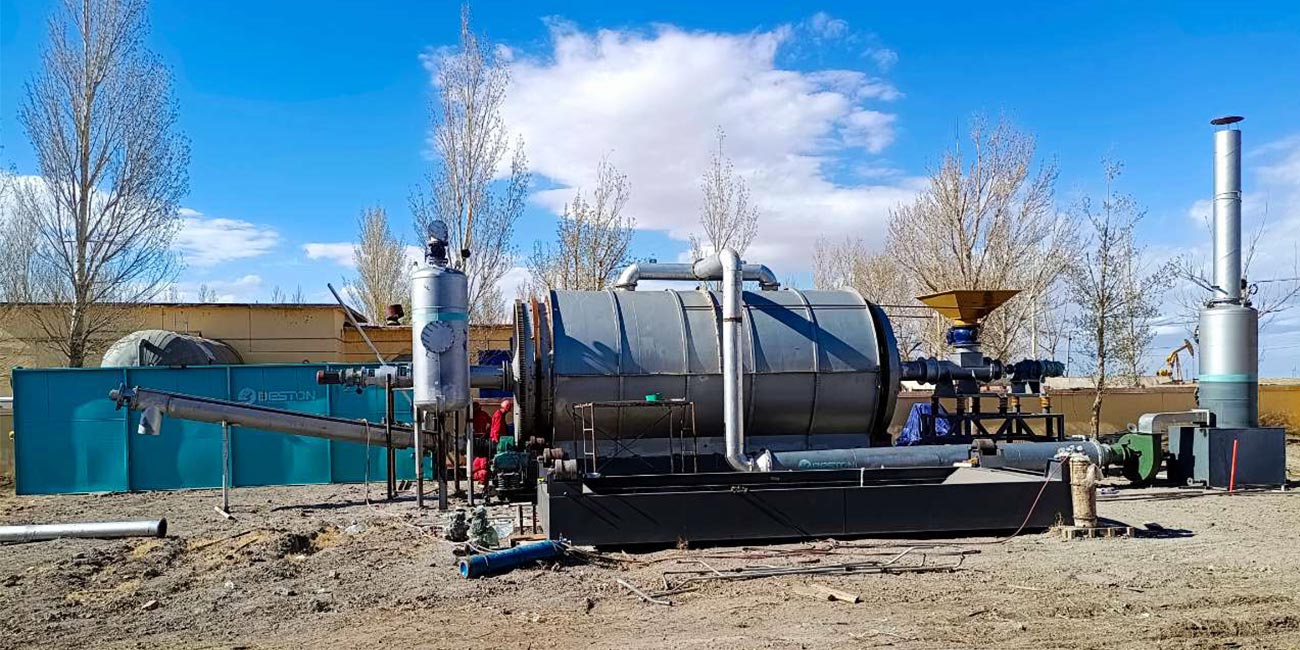
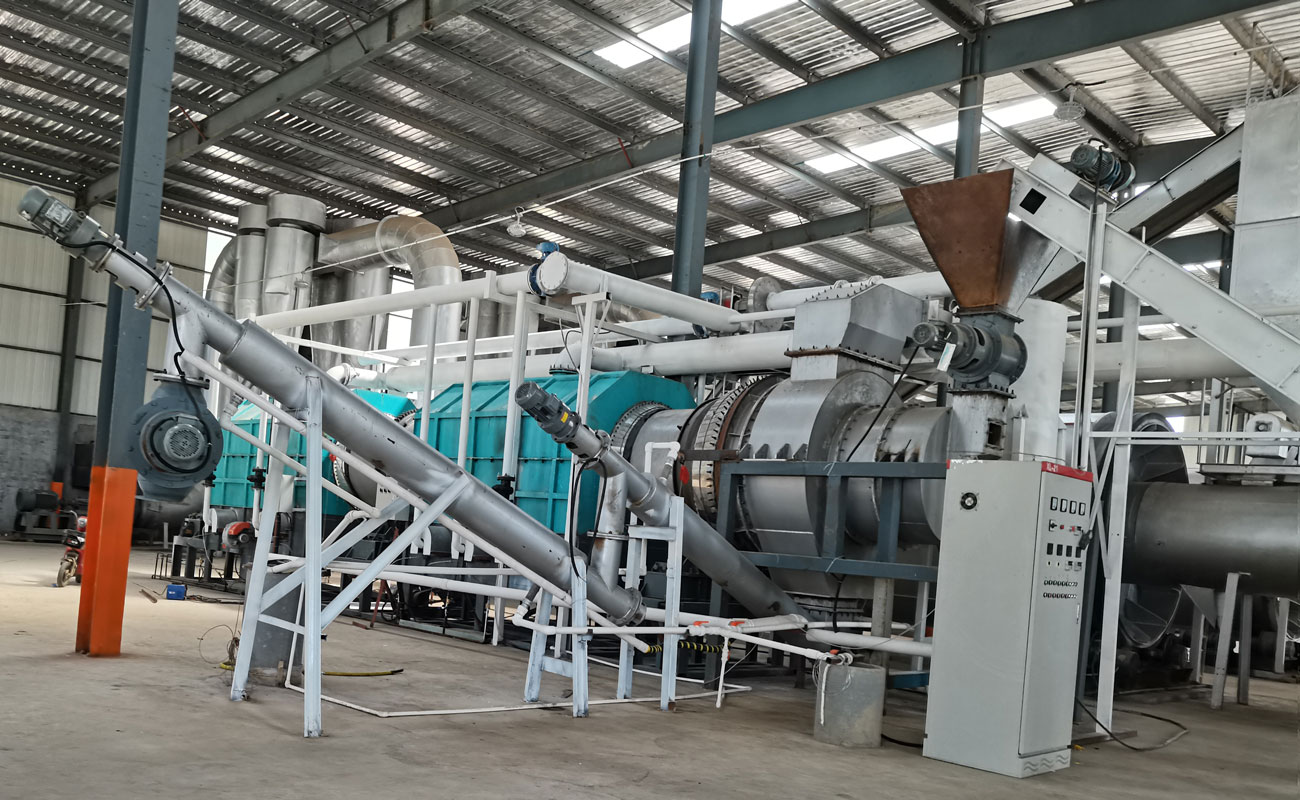
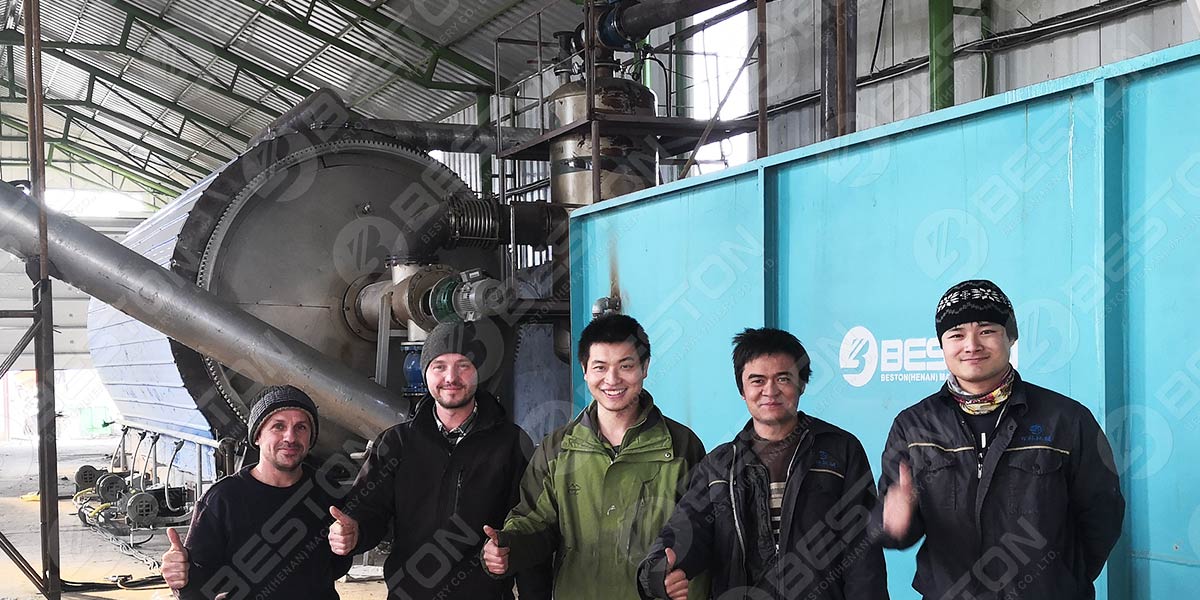
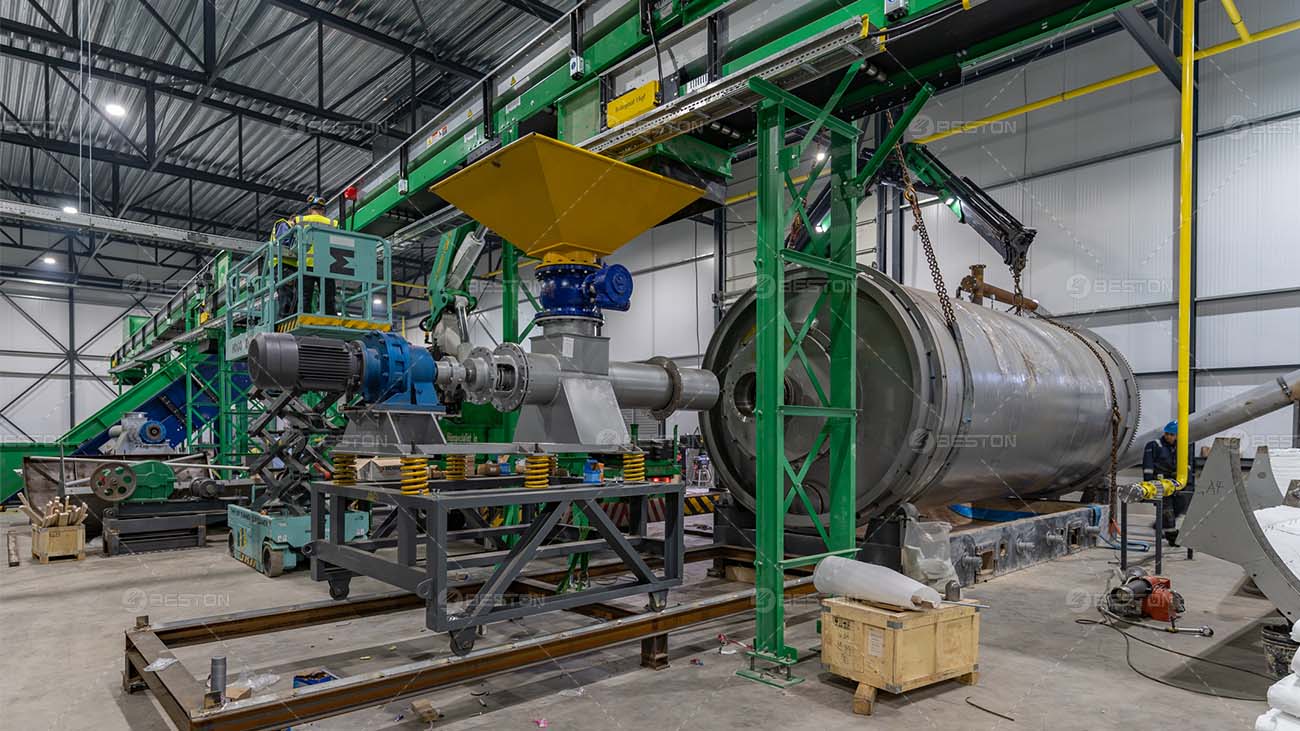
BLJ-16 Plasric Pyrolysis Plant Installed in Netherlands

Understanding Plastic Pyrolysis

Plastic pyrolysis involves heating plastic waste in the absence of oxygen, leading to its thermal degradation into smaller molecules. The primary products of this process are pyrolysis oil, syngas, and char. Pyrolysis oil can be refined into fuels and chemicals, syngas can be used for energy generation, and char can serve as a solid fuel or carbon black precursor.

Advancements in Plastic Pyrolysis Technology

Enhanced Reactor Designs

The design of reactors is crucial to the efficiency and scalability of waste plastic pyrolysis plant. Recent advancements have focused on improving heat transfer, residence time, and feedstock flexibility. Innovations such as fluidized bed reactors, rotary kilns, and microwave-assisted pyrolysis have demonstrated enhanced conversion rates and product yields. These designs optimize the thermal degradation process, ensuring uniform heating and maximizing the recovery of valuable products.

Catalyst Development

Catalysts play a significant role in optimizing the pyrolysis process by lowering the reaction temperature and improving the quality of the output. Research has led to the development of novel catalysts, including zeolites, metal oxides, and nanoparticle-based catalysts. These catalysts not only enhance the yield of desirable products but also reduce the formation of unwanted by-products. The use of catalysts can also tailor the chemical composition of pyrolysis oil, making it more suitable for specific applications.

Feedstock Versatility

One of the key trends in plastic pyrolysis technology is the ability to process a wide variety of plastic types, including mixed and contaminated plastics. Traditional recycling methods often struggle with non-homogeneous feedstocks, but advancements in pyrolysis technology have made it possible to handle diverse materials. This versatility increases the feasibility of pyrolysis as a solution for municipal solid waste management, where plastic waste streams are often heterogeneous.

Integration with Circular Economy Models

The integration of plastic to oil plant with circular economy principles is gaining momentum. By converting plastic waste into raw materials for new products, pyrolysis supports the creation of a closed-loop system. This approach not only mitigates plastic pollution but also reduces the demand for virgin materials, contributing to resource conservation and sustainability. Several companies are now developing processes that feed pyrolysis oil directly into petrochemical plants, closing the loop on plastic production and waste.

Regional Trends in Plastic Pyrolysis

North America

North America is witnessing significant investments in plastic pyrolysis technology, driven by regulatory pressures and market demand for sustainable solutions. Companies such as Agilyx and Brightmark are leading the way with large-scale pyrolysis plants that convert post-consumer plastics into fuels and chemicals. The region’s focus is on scalability and economic viability, with a strong emphasis on integrating pyrolysis products into existing industrial frameworks.

Europe

Europe has been at the forefront of adopting and promoting plastic pyrolysis technology. Stringent environmental regulations and ambitious recycling targets have spurred innovation and implementation. The European Union’s Circular Economy Action Plan emphasizes the role of advanced recycling technologies like pyrolysis in achieving sustainability goals. Countries such as the Netherlands and Germany have established pilot projects and commercial plants, showcasing the potential of pyrolysis to address plastic waste challenges.

Asia-Pacific

The Asia-Pacific region, particularly China and India, faces immense plastic waste management challenges due to rapid urbanization and industrialization. Plastic pyrolysis technology is being increasingly recognized as a viable solution. Efforts are focused on developing low-cost and scalable pyrolysis systems that can be deployed in diverse settings, from urban centers to rural areas. Collaborative projects and technology transfers are also playing a crucial role in advancing pyrolysis technology in this region.

Beston Small Pyrolysis Machine

Middle East and Africa

In the Middle East and Africa, plastic pyrolysis is gaining attention as part of broader waste management and sustainability initiatives. The region’s abundant plastic waste, coupled with the need for alternative energy sources, makes pyrolysis an attractive option. Countries like the United Arab Emirates and South Africa are exploring pyrolysis technology through pilot projects and partnerships with international companies. The emphasis is on creating integrated waste management systems that include pyrolysis as a key component.

Challenges and Barriers

Economic Viability

One of the primary challenges facing plastic pyrolysis technology is economic viability. High initial capital costs and operational expenses can be prohibitive, especially for large-scale plants. While advancements in technology have reduced costs, ensuring profitability remains a critical concern. Developing efficient and cost-effective processes is essential for widespread adoption.

Regulatory and Environmental Concerns

Regulatory frameworks for plastic pyrolysis vary significantly across regions, affecting the deployment and operation of pyrolysis plants. Environmental concerns, such as emissions and the safe disposal of residues, must be addressed to gain regulatory approval. Ensuring compliance with environmental standards and obtaining the necessary permits can be time-consuming and costly.

Technical Challenges

Technical challenges, including feedstock variability, process optimization, and product quality control, continue to impede the development of plastic pyrolysis technology. Research and development efforts are focused on overcoming these obstacles to improve the reliability and efficiency of the process. Innovations in reactor design, catalyst development, and process control are critical to addressing these technical issues.

Future Prospects and Innovations

Advanced Process Control

The integration of advanced process control systems, including artificial intelligence and machine learning, is poised to revolutionize plastic pyrolysis technology. These systems can optimize operational parameters in real-time, enhancing efficiency and product quality. Predictive maintenance and process analytics can also reduce downtime and operational costs, improving the overall economic viability of pyrolysis plants. Welcome to consult Beston for more plastic pyrolysis technology.

Hybrid Technologies

Hybrid technologies that combine pyrolysis with other waste management methods, such as gasification and mechanical recycling, offer promising solutions. These integrated approaches can maximize resource recovery and minimize environmental impact. For example, hybrid systems can process mixed waste streams, converting non-recyclable plastics into fuels while recycling other materials.

Decentralized Pyrolysis Systems

The development of decentralized pyrolysis systems enables localized waste management, reducing transportation costs and emissions. Small-scale, modular pyrolysis units can be deployed in urban and rural areas, providing flexible and accessible solutions for plastic waste. Decentralized systems also support community-based recycling initiatives, fostering local sustainability efforts.

Collaboration and Partnerships

Collaboration between industry stakeholders, research institutions, and governments is essential for advancing plastic pyrolysis technology. Public-private partnerships can drive innovation, share knowledge, and scale up successful projects. International collaborations can also facilitate technology transfer and capacity building in regions facing significant plastic waste challenges.

Harnessing Waste Plastic: The Role of Pyrolysis Plants in Sustainable Solutions

Introduction: In the global pursuit of sustainability, the management of plastic waste stands as a critical challenge. With millions of tons of plastic generated annually worldwide, finding effective and environmentally friendly methods to deal with this waste has become imperative. Among various solutions, waste plastic pyrolysis plants have emerged as promising technology, offering a pathway to convert plastic waste into valuable resources while minimizing environmental impact. This article explores the workings and benefits of waste plastic pyrolysis plants, shedding light on their role in promoting a circular economy and mitigating the plastic pollution crisis.

Understanding Pyrolysis

Pyrolysis is a chemical process that involves the decomposition of organic materials at high temperatures in the absence of oxygen. In the case of waste plastic pyrolysis, plastic polymers are heated in a controlled environment, leading to the breakdown of long-chain hydrocarbons into smaller molecules. This process yields three main products: liquid fuel (pyrolysis oil), gaseous byproducts, and solid residue (char). These products can be further refined and utilized in various industrial applications, offering a sustainable alternative to traditional fossil fuels and virgin plastic production.

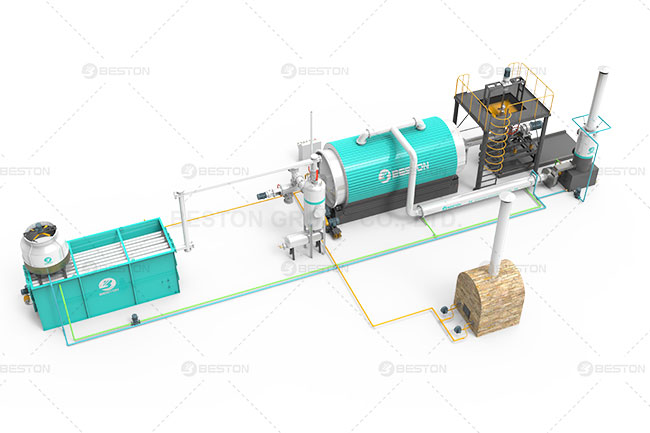
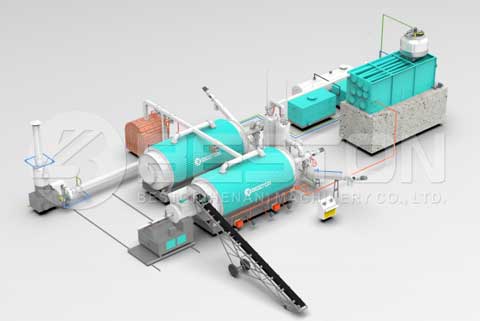
Operational Mechanism: plastic pyrolysis equipment typically consist of several key components, including a reactor vessel, heating system, condensation unit, and product collection system. The process begins with the feeding of shredded or granulated plastic waste into the reactor, where it undergoes thermal decomposition under high temperatures (usually between 300°C to 800°C). As the plastic breaks down, the resulting vapors are condensed into liquid fuel through a cooling system, while non-condensable gases are collected for further processing or energy generation. The solid residue, or char, can be utilized as a source of carbon or processed into activated carbon for various applications.

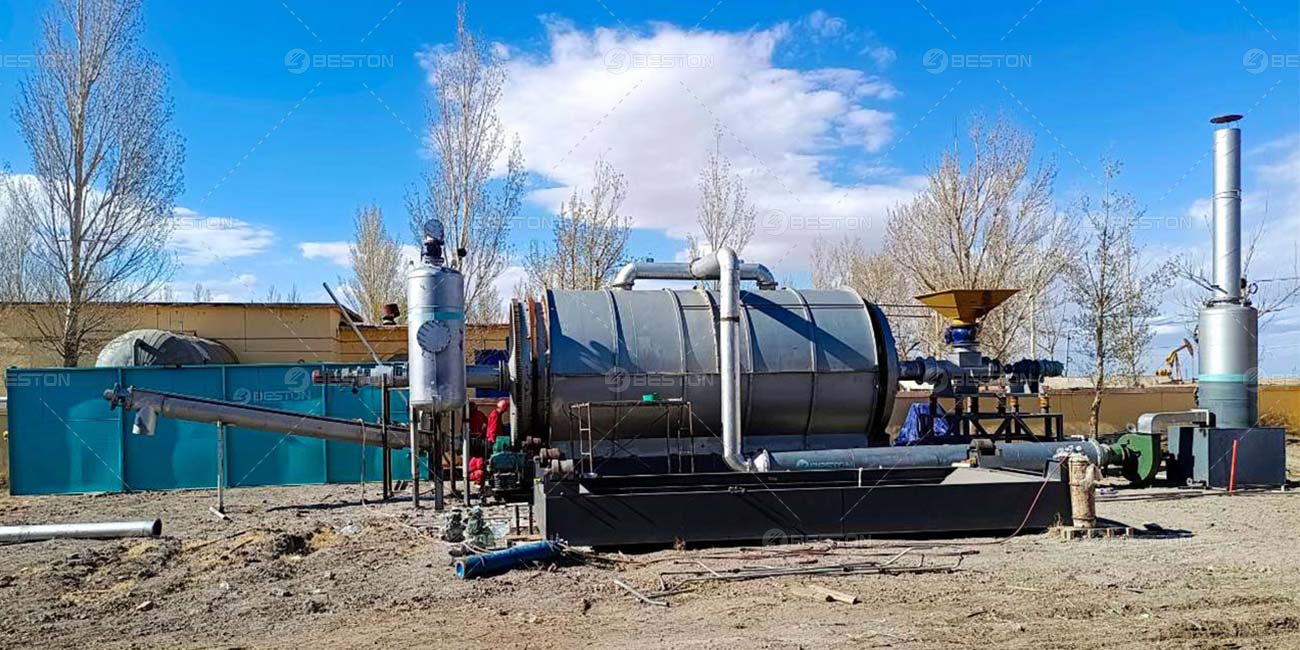
Plastic Pyrolysis Plant

Environmental Benefits

The adoption of waste plastic pyrolysis technology offers several environmental advantages. Firstly, it provides an effective solution for diverting plastic waste from landfills and incineration, thereby reducing the burden on waste management systems and preventing pollution of land and water bodies. Additionally, by converting plastic waste into valuable products such as fuel, pyrolysis plants contribute to the reduction of greenhouse gas emissions associated with traditional fossil fuel extraction and combustion. Moreover, the production of pyrolysis oil can serve as a sustainable feedstock for the chemical industry, reducing reliance on fossil resources and promoting circularity in the economy.

Economic Opportunities

Beyond its environmental benefits, waste plastic pyrolysis by pyrolysis plant presents significant economic opportunities. The production of pyrolysis oil and other byproducts can generate revenue streams for plant operators, providing an incentive for investment in this technology. Furthermore, the utilization of pyrolysis-derived fuels can help offset energy costs in various industries, offering a cost-effective alternative to conventional fuels. Moreover, the employment opportunities created through the establishment and operation of pyrolysis plants contribute to local economic development, particularly in regions grappling with high levels of plastic pollution and limited waste management infrastructure.

Challenges and Considerations

While waste plastic pyrolysis holds promise as a sustainable waste management solution, it is not without challenges and considerations. One primary concern is the need for stringent quality control and regulatory oversight to ensure the environmental integrity of pyrolysis processes and prevent the release of harmful emissions or byproducts. Additionally, the scalability and efficiency of pyrolysis technology require further optimization to achieve widespread adoption and competitiveness with conventional waste management methods. Moreover, the development of end markets for pyrolysis products, particularly pyrolysis oil, remains crucial for realizing the full economic potential of this technology. Also, you can see the waste tire pyrolysis machine here.

Conclusion

Waste plastic pyrolysis plants represent a valuable innovation in the quest for sustainable waste management solutions. By harnessing the power of thermal decomposition, these facilities offer a means to convert plastic waste into valuable resources while reducing environmental impact and promoting economic growth. However, realizing the full potential of waste plastic pyrolysis requires concerted efforts from policymakers, industry stakeholders, and society as a whole to address regulatory, technological, and market challenges. With continued innovation and investment, waste plastic pyrolysis has the potential to play a pivotal role in transitioning towards a circular economy and mitigating the global plastic pollution crisis. More related information on Beston Group.

Unveiling the Ingenious Realm of Plastic Pyrolysis: A Sustainable Alchemy

In the ever-evolving landscape of waste management and environmental sustainability, the Plastic Pyrolysis Process emerges as a beacon of innovation, offering a transformative solution to the global plastic predicament. Let’s embark on a journey through the intricate nuances of this sustainable alchemy, where discarded plastics find a new life through the magic of pyrolysis.

The Essence of Plastic Pyrolysis

At its core, the Plastic Pyrolysis Process of a plastic pyrolysis machine is a sophisticated chemical metamorphosis, breathing new life into used plastics. Pyrolysis, a term derived from the Greek words “pyro” (meaning fire) and “lysis” (meaning separation), involves the decomposition of complex polymers at elevated temperatures in the absence of oxygen. This controlled degradation yields valuable products and, crucially, mitigates the environmental impact of plastic waste.

The Alchemical Dance of Molecular Transformation

Within the confines of the pyrolysis chamber, a choreographed dance of molecules unfolds. Plastics, once considered a burden on the environment, undergo a meticulous process of thermal degradation. This controlled heat-induced metamorphosis breaks down the long chains of polymers, unraveling them into simpler hydrocarbons.

As the temperature ascends, the molecular ballet intensifies, leading to the liberation of gases and the formation of a liquid known as pyrolysis oil. This liquid treasure, rich in hydrocarbons, holds the potential to be refined into an array of valuable products.

Key Components in the Spotlight

  1. Pyrolysis Reactor

    Central to the Plastic Pyrolysis Process is the pyrolysis reactor, a crucible of controlled chaos where the magic unfolds. This reactor of plastic to oil machine provides the ideal environment for the intricate molecular ballet, ensuring the transformation occurs with precision.

  2. Condensation System

    The condensation system plays the role of an alchemical condenser, capturing the ethereal gases released during pyrolysis. This system ensures that no valuable by-products escape, allowing for their subsequent utilization in diverse applications.

  3. Gas Scrubbing Unit

    The gas scrubbing unit, a guardian of purity in the alchemical journey, removes impurities from the liberated gases. This step ensures that the end products maintain the highest standards of quality and environmental integrity.

  4. Pyrolysis Oil Refinery

    The pyrolysis oil refinery stands as the crowning jewel, where the liquid treasure extracted from plastics undergoes further refinement. This process yields a spectrum of valuable products, from fuels to specialty chemicals, opening new avenues for sustainable consumption.

Keywords in the Spotlight

In navigating the labyrinth of plastic pyrolysis, several keywords punctuate the discourse, adding depth to our exploration:

  • Circular Economy: The Plastic Pyrolysis Process embodies the principles of a circular economy, where waste becomes a resource, creating a sustainable loop of consumption and regeneration.
  • Feedstock: Used plastics, once dismissed as waste, transform into the valuable feedstock for the pyrolysis process, breathing new life into materials that would otherwise languish in landfills.
  • Hydrocarbon Recovery: Through the alchemical artistry of pyrolysis, hydrocarbons are recovered from plastics, offering a sustainable alternative to conventional fossil fuel extraction. See the plastic to fuel machine here.
  • Upcycling: The process of upcycling takes center stage as plastics shed their single-use stigma, ascending to a higher purpose in the creation of valuable products.

Unraveling the Applications

The versatility of the Plastic Pyrolysis Process extends far beyond the realms of waste management. Its applications resonate across diverse industries, shaping a sustainable future.

Energy Generation

Pyrolysis-derived fuels serve as a renewable energy source, mitigating our dependence on conventional fossil fuels. The liberated gases and pyrolysis oil find applications in power generation, contributing to a cleaner and more sustainable energy landscape.

Specialty Chemicals Production

The refined pyrolysis oil becomes a raw material for the production of specialty chemicals. This not only diversifies the chemical industry but also reduces the reliance on traditional, often environmentally taxing, chemical feedstocks.

Sustainable Manufacturing

By integrating pyrolysis-derived materials into manufacturing processes, industries can champion sustainability. The alchemical transformation of plastics into valuable feedstocks aligns with the ethos of sustainable and eco-friendly production.

A Glimpse into the Future

As the Plastic Pyrolysis Process continues to evolve, innovations in catalyst technology, process optimization, and integration with other waste-to-energy solutions promise an even brighter future. The alchemical journey of plastics, once destined for the landfill, unfolds as a narrative of sustainability, resilience, and environmental stewardship. More information on Beston Group.

In conclusion, the Plastic Pyrolysis Process stands as a testament to human ingenuity in the face of environmental challenges. Through controlled heat and molecular wizardry, plastics undergo a profound metamorphosis, emerging as valuable resources in the tapestry of a circular economy. The alchemical dance within the pyrolysis chamber resonates with the promise of a more sustainable and harmonius coexistence with the materials that shape our world.

Design and Operation of Pyrolysis Plant: Key Considerations

The pyrolysis plant stands as a testament to the symbiosis between technological innovation and sustainable waste management.

I. Conceptual Framework

A. Pyrolysis Plant Definition and Purpose

At its essence, a pyrolysis plant is an ingenious apparatus that employs the principle of thermal decomposition to convert organic materials into valuable byproducts. The process is inherently eco-friendly, representing a pivotal shift towards circular economy practices.

B. Pyrolysis Mechanism

The heart of a pyrolysis plant pulsates with a thermal ballet, orchestrated by controlled heat in an oxygen-deprived environment. This induces the breakdown of complex organic structures, yielding combustible gases, liquid bio-oil, and a residue of char.

II. Design Considerations

A. Reactor Configuration

  1. Fixed Bed Reactor: The bedrock of many pyrolysis plants, this configuration fosters a gradual and controlled thermal degradation, optimizing the yield of valuable byproducts.
  2. Fluidized Bed Reactor: A dynamic alternative, leveraging fluidization of the material to enhance heat transfer and reaction kinetics, culminating in a more efficient conversion process.

B. Feedstock Flexibility

The tyre/plastic pyrolysis plant design should accommodate diverse feedstocks, ranging from biomass and agricultural residues to plastics. This versatility enhances the plant’s adaptability to varying waste streams, rendering it an invaluable asset in waste management.

C. Heat Transfer Optimization

In the alchemy of pyrolysis, heat is the catalyst for transformation. Efficient heat transfer mechanisms, such as conduction, convection, and radiation, must harmonize within the plant’s design to ensure optimal energy utilization.

D. Gas and Liquid Collection Systems

The judicious collection of combustible gases and liquid bio-oil is a design nuance that warrants meticulous attention. An intricate network of collection systems ensures the harnessing of these valuable byproducts with minimal losses.

III. Operational Parameters

A. Residence Time Optimization

Within the reactor’s crucible, the material undergoes a temporal metamorphosis. The residence time, the duration material spends in the reactor, must be calibrated for each feedstock to extract maximum value without compromising quality.

B. Catalytic Influence

The incorporation of catalysts in the pyrolysis plant design is a strategic choice. Catalysis can enhance the pyrolysis reaction, expedite the process, and influence the quality of the resulting byproducts.

C. Temperature Control

The oil sludge/plastic/tyre pyrolysis plant‘s performance hinges on precise temperature control. The process demands a delicate equilibrium; temperatures too high may lead to undesired side reactions, while inadequate heat may impede the overall efficiency.

IV. Environmental Considerations

A. Emission Control Systems

While pyrolysis epitomizes a cleaner alternative to conventional waste disposal methods, the pyrolysis plant should incorporate robust emission control systems. This ensures that any residual emissions meet stringent environmental standards.

B. Byproduct Utilization

The char residue, often overlooked, holds latent potential. Creative avenues for its utilization, such as soil amendment or carbon sequestration, amplify the environmental sustainability quotient of the pyrolysis plant.
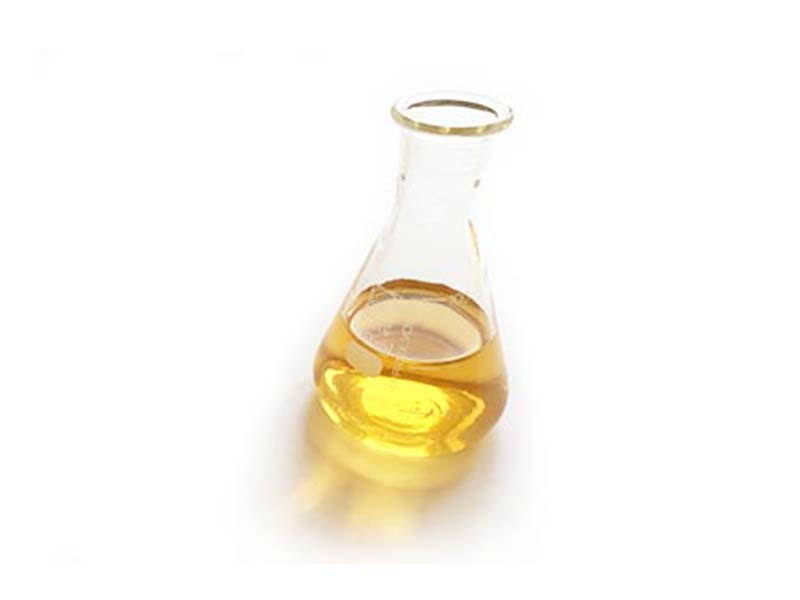
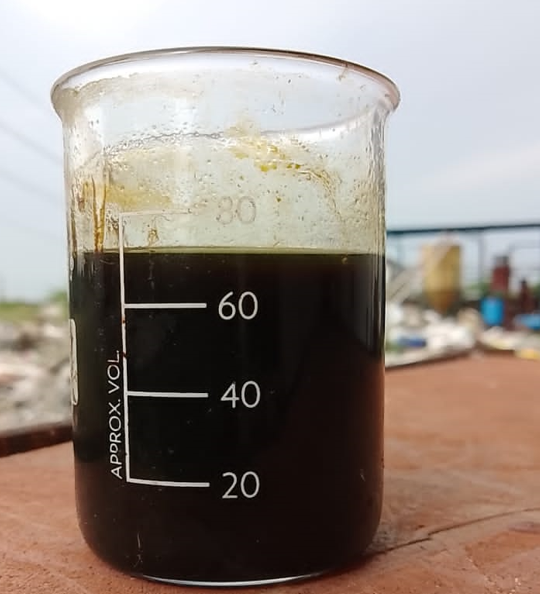
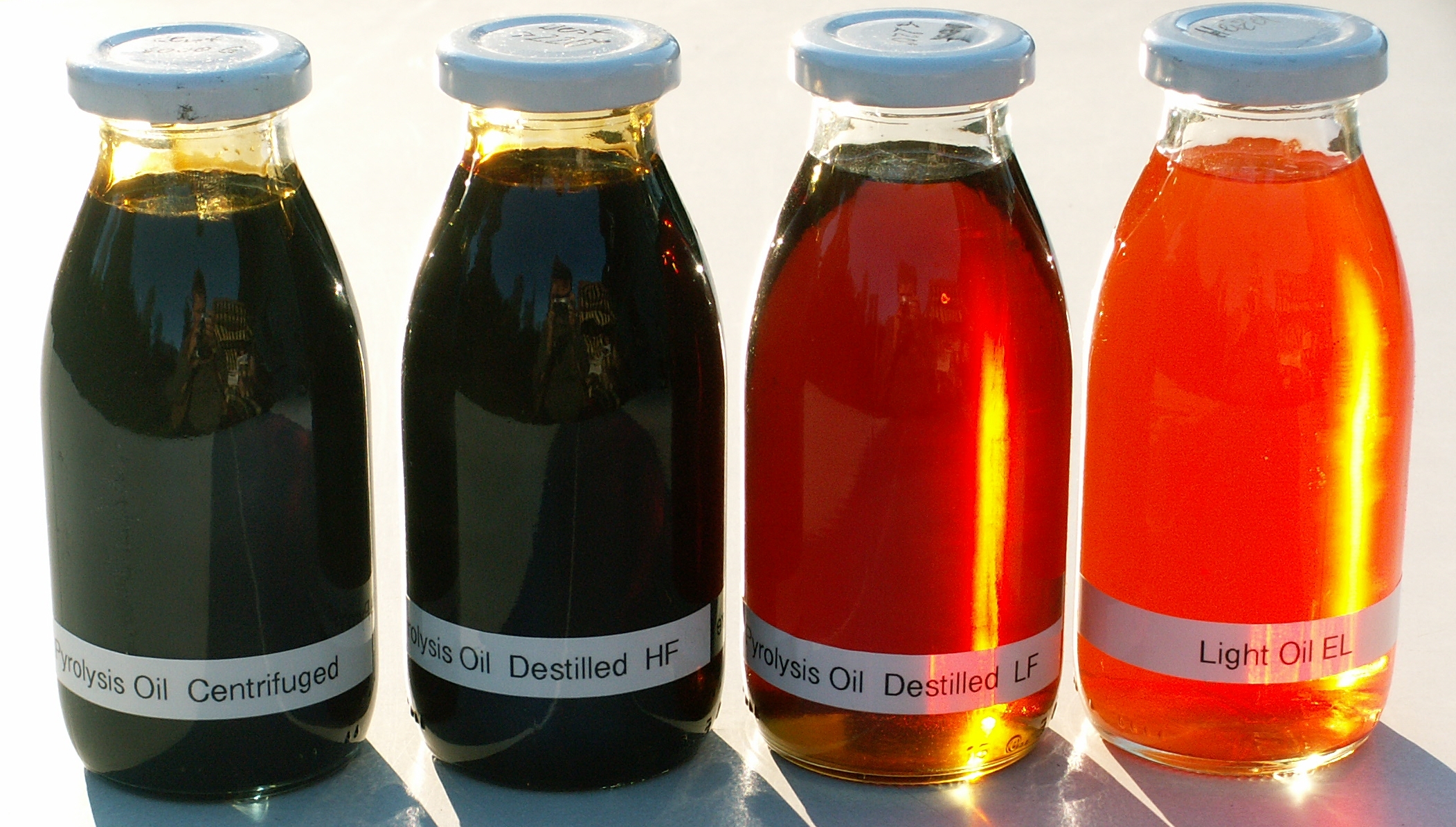
Pyrolysis oil

V. Economic Viability

A. Life Cycle Cost Analysis

Beyond the environmental merits, the economic viability of a pyrolysis plant demands scrutiny. Life cycle cost analysis provides a comprehensive lens, encompassing capital investment, operational costs, and revenue streams from byproduct sales.

B. Market Integration

The oil sludge pyrolysis plant should seamlessly integrate with existing markets for bio-oil, syngas, and char. Navigating these markets requires strategic acumen to position the plant as a valuable contributor to the circular economy.
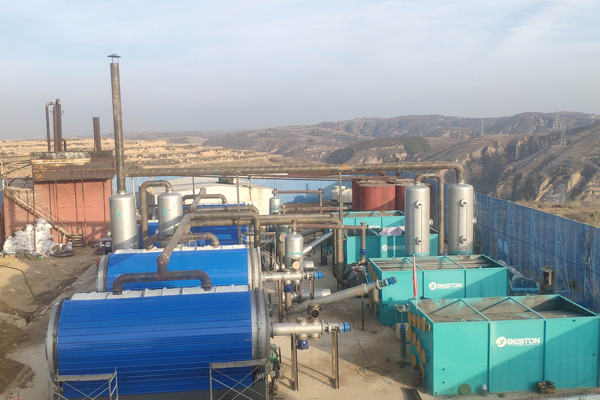
4-Sets-of-Oil-Sludge-Pyrolysis-Plant-in-China

VI. Future Prospects and Innovations

As technological frontiers evolve, the pyrolysis plant stands at the precipice of innovation. Integration with emerging technologies, such as artificial intelligence for process optimization or advanced catalysts for enhanced conversion, herald a promising future.

In conclusion, the pyrolysis plant, a marvel of engineering ingenuity, encapsulates the ethos of sustainable waste management. Its design intricacies and operational nuances intertwine in a choreography of efficiency and environmental consciousness, beckoning towards a future where waste is not discarded but reborn.
Raising the Temperature: TDU Thermal Desorption in Hazardous Waste Management

Hazardous waste poses a significant environmental threat, necessitating innovative and effective remediation solutions. One such groundbreaking technology making waves in the field is Thermal Desorption Unit (TDU) technology. In this comprehensive exploration, we delve into the principles, applications, and environmental impact of tdu thermal desorption unit, a method that raises the temperature to tackle hazardous waste head-on.

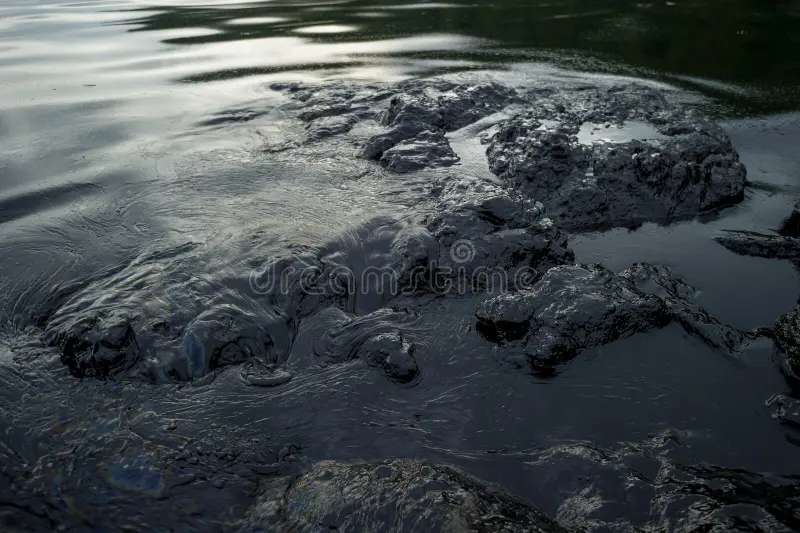
Crude Oil Sludge

Understanding TDU Thermal Desorption

The TDU Process

TDU thermal desorption is a remediation technique designed to treat contaminated materials, typically soil or sludge, by exposing them to elevated temperatures. The process involves heating the contaminated material within a Thermal Desorption Unit, driving off volatile organic compounds (VOCs) and other contaminants. The released contaminants are then captured and treated separately, leaving the decontaminated material ready for safe reuse or disposal.

Principles of Operation

  1. Vaporization: Elevated temperatures cause the volatile components within the contaminated material to vaporize.
  2. Separation: The vaporized contaminants are separated from the material and captured for further treatment.
  3. Decontamination: The remaining material is now free from the majority of contaminants and can be safely reintroduced into the environment or disposed of following regulatory guidelines.

Applications of TDU Thermal Desorption

Soil Remediation

One of the primary applications of MSW pyrolysis plant is in the remediation of contaminated soils. Sites contaminated with hazardous substances, such as petroleum hydrocarbons, PCBs, and various industrial chemicals, can benefit from this technology.

Sludge Treatment

TDU thermal desorption is also employed for treating sludge from wastewater treatment plants. By subjecting sludge to elevated temperatures, the technology facilitates the removal of water and volatile components, reducing the volume of sludge and rendering it more manageable for disposal.

Brownfield Redevelopment

Contaminated sites, often referred to as brownfields, present challenges for redevelopment. TDU thermal desorption can play a crucial role in transforming these sites into safe and usable spaces by treating the contaminated soil on-site.

Emergency Response

In emergency scenarios, such as chemical spills or industrial accidents, TDU thermal desorption provides a rapid and effective means of mitigating the environmental impact. The technology can swiftly treat contaminated soil, preventing further dispersion of hazardous substances.

Waste Pyrolysis Oil

Advantages of TDU Thermal Desorption

1. Versatility

TDU thermal desorption is a versatile technology capable of treating a wide range of contaminants, including volatile and semi-volatile organic compounds. This adaptability makes it a valuable tool in addressing diverse environmental contamination scenarios.

2. On-Site Remediation

One of the significant advantages of TDU thermal desorption is its ability to conduct on-site remediation. By treating contaminated material directly at the source, the need for transporting large quantities of hazardous waste is minimized, reducing associated risks and costs.

3. Volume Reduction

The process of TDU thermal desorption leads to the volatilization of contaminants, effectively reducing the volume of the treated material. This volume reduction can translate to lower disposal costs and a smaller environmental footprint.

4. Resource Recovery

In some cases, TDU thermal desorption allows for the recovery of valuable resources from contaminated materials. For example, reclaimed oil or other valuable substances can be extracted and repurposed.

5. Regulatory Compliance

TDU thermal desorption aligns with regulatory guidelines for hazardous waste management. By effectively treating and removing contaminants, this technology supports environmental compliance and helps industries adhere to stringent waste disposal regulations.

Environmental Impact Assessment

Positive Environmental Contributions

  1. Preventing Contaminant Spread: By rapidly treating contaminated materials, TDU thermal desorption prevents the further spread of hazardous substances, mitigating the potential for environmental harm.
  2. Reducing Landfill Burden: The volume reduction achieved through TDU thermal desorption lessens the burden on landfills, promoting more sustainable waste management practices.
  3. Emission Control: While TDU thermal desorption involves the release of contaminants during the treatment process, advanced systems are designed to capture and treat these emissions, minimizing the impact on air quality.

Challenges and Considerations

  1. Energy Consumption: The high temperatures required for thermal desorption necessitate significant energy input. Balancing the environmental benefits with energy consumption remains a consideration in the overall sustainability of the technology.
  2. Residuals Management: The byproducts and residuals generated during the TDU thermal desorption process require careful management. Ensuring their safe treatment and disposal is essential for a comprehensive environmental impact assessment.
  3. Site-Specific Considerations: The effectiveness of TDU thermal desorption can be influenced by site-specific factors, such as soil composition, contaminant types, and regulatory frameworks. A thorough site assessment is crucial for optimal results.

Technological Innovations

As tyre pyrolysis plant China continues to play a pivotal role in hazardous waste management, ongoing technological innovations seek to address existing challenges and enhance the overall efficiency of the process.

  1. Advanced Monitoring Systems: Integration of advanced monitoring systems allows real-time tracking of temperature profiles, contaminant concentrations, and emissions, enabling precise control and optimization.
  2. Energy Recovery Systems: Innovations in energy recovery systems aim to offset the high energy requirements of TDU thermal desorption, improving overall process sustainability.
  3. Integration with Other Technologies: Combining TDU thermal desorption with complementary technologies, such as vapor condensation or membrane separation, provides synergistic effects that enhance contaminant capture and overall efficiency.

Future Directions

The future of TDU thermal desorption in hazardous waste management is promising, with ongoing research and advancements paving the way for more sustainable and efficient practices.

  1. Circular Economy Integration: Exploring opportunities to integrate TDU thermal desorption with circular economy principles can enhance resource recovery and minimize waste generation.
  2. Global Adoption: Encouraging the global adoption of TDU thermal desorption technologies requires collaborative efforts between regulatory bodies, industries, and technology developers. Establishing international standards can facilitate a more consistent and widespread application.
  3. Community Engagement: As TDU thermal desorption projects are often implemented in proximity to communities, fostering transparent communication and community engagement is crucial. Public awareness and participation can contribute to the success and social acceptance of such projects.

Conclusion

TDU thermal desorption represents a powerful and transformative approach to hazardous waste management, raising the temperature to confront environmental contamination head-on. With its versatility, on-site capabilities, and positive environmental contributions, this technology is instrumental in remediating contaminated soils and sludge. As innovations continue to address challenges and optimize the process, TDU thermal desorption holds the potential to reshape the landscape of hazardous waste management, offering a sustainable and effective solution for a cleaner and safer environment.

How to Process Tyre/Plastic/Oil Sludge Through a Pyrolysis Plant

In today’s world, where sustainability and responsible waste management are paramount, the utilization of pyrolysis technology has emerged as a significant game-changer. This article delves into the intricate process of processing tyre, plastic, and oil sludge through a pyrolysis plant, showcasing the innovative and eco-friendly approach to handling these waste materials.small-pyrolysis-unit

Introduction

Brief Overview of Pyrolysis

Pyrolysis, derived from the Greek words “pyr” (fire) and “lysis” (separation), is a thermal decomposition process in the absence of oxygen. It holds immense potential for converting various organic materials into valuable products while mitigating environmental impacts.

Importance of Processing Tyre, Plastic, and Oil Sludge

Tyre, plastic, and oil sludge waste pose significant challenges due to their non-biodegradable nature. Pyrolysis offers a sustainable solution by transforming these materials into useful resources.

Purpose and Structure of the Article

This article aims to provide a comprehensive guide on setting up and operating a pyrolysis plant to process tyre, plastic, and oil sludge. It covers everything from the fundamentals of pyrolysis to equipment requirements, feedstock preparation, product utilization, and associated challenges.

Understanding Pyrolysis

Defining Pyrolysis and its Principles

At its core, pyrolysis involves subjecting organic materials to high temperatures (typically between 300°C and 800°C) in the absence of oxygen. This process leads to the breakdown of complex molecules into simpler compounds, resulting in the production of valuable products.

Types of Pyrolysis Processes

  • Slow Pyrolysis: Characterized by longer reaction times and lower temperatures, slow pyrolysis yields a higher char fraction.
  • Fast Pyrolysis: Rapid heating and shorter residence times define fast pyrolysis, favoring the production of pyrolysis oil.
  • Flash Pyrolysis: Extremely rapid heating in milliseconds distinguishes flash pyrolysis, primarily producing gaseous products.

Advantages of Pyrolysis in Waste Management

Pyrolysis plant offers several advantages, including minimal emissions, resource recovery, and reduction in landfill waste, making it an environmentally sound waste management option.

Setting Up a Pyrolysis Plant

Location and Environmental Considerations

Selecting an appropriate site for your waste tyre pyrolysis plant is critical. Consider proximity to waste sources, transportation logistics, and compliance with environmental regulations.

Necessary Equipment and Machinery

  • Reactor: The heart of the pyrolysis plant, where the feedstock undergoes thermal decomposition.
  • Heat Source: Provides the energy needed for the pyrolysis reactions.
  • Condensation System: Converts the vaporized products into liquid and gaseous fractions.

Regulatory Compliance and Permits

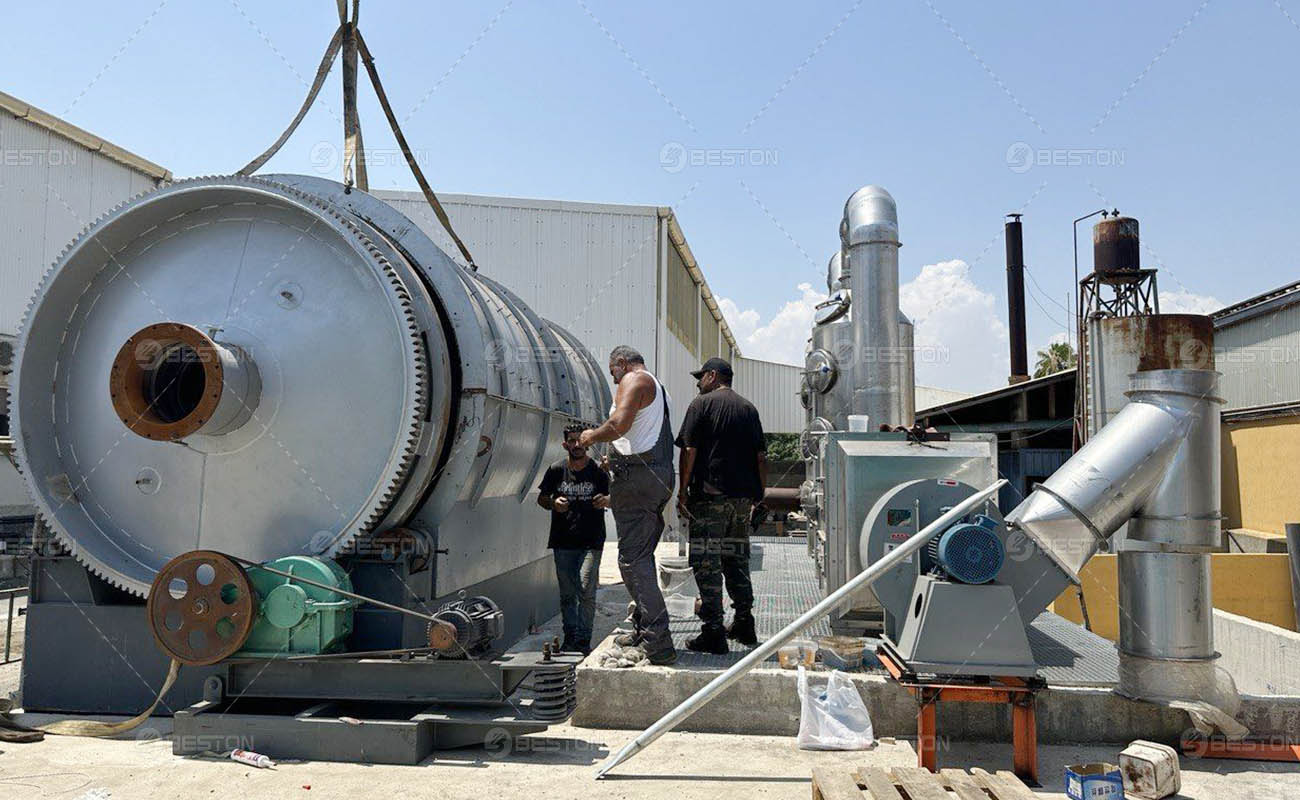
Ensure that you obtain all the necessary permits and comply with environmental and safety regulations to operate your pyrolysis plant legally and responsibly.Intall Small Pyrolysis Machine in Cyprus

The Pyrolysis Process in Detail

Feedstock Preparation

  • Sorting and Shredding: Begin by sorting the waste materials, removing contaminants, and shredding them into smaller, uniform pieces to facilitate the pyrolysis process.
  • Size Reduction: Further reduce the feedstock’s size to optimize heat transfer and reaction rates during pyrolysis.

Loading and Heating

Load the prepared feedstock into the reactor and initiate the heating process. The absence of oxygen is crucial to prevent combustion and ensure efficient pyrolysis.

Pyrolysis Reactions

  • Depolymerization: During pyrolysis, the long-chain polymers in the feedstock break down into smaller hydrocarbons and other compounds.
  • Vaporization: The elevated temperature causes the feedstock to vaporize, producing a mixture of gases, vapors, and aerosols.
  • Condensation: The vaporized products pass through a condensation system, where they cool and condense into liquid and gaseous fractions.

Product Collection

  • Liquid Fraction (Pyrolysis Oil): This versatile product produced by plastic pyrolysis machine can be used as a fuel or as a feedstock in various chemical processes.
  • Gaseous Fraction (Syngas): Syngas, a mixture of hydrogen and carbon monoxide, has numerous industrial applications and can be used for energy generation.
  • Solid Fraction (Char): The remaining solid residue, known as char, can be utilized as a soil amendment or in the production of carbon black.

Residue Handling

Dispose of any unreacted or non-utilized materials responsibly and in compliance with environmental regulations. Minimize waste generation and consider opportunities for char utilization.

Applications and Benefits

Pyrolysis Oil Utilization

  • Fuel Production: Pyrolysis oil can be refined into high-quality biofuels, reducing the reliance on fossil fuels.
  • Chemical Feedstock: It serves as a valuable feedstock for the production of chemicals and industrial materials.

Syngas Applications

  • Energy Generation: Syngas can be used in gas turbines or engines to generate electricity and heat.
  • Industrial Processes: It is a key ingredient in processes like methanol synthesis and hydrogen production.

Char Utilization

  • Soil Amendment: Char improves soil quality by enhancing nutrient retention and microbial activity, making it a valuable soil conditioner.
  • Carbon Black Production: Char can also be processed into carbon black, and used in manufacturing tires, inks, and plastics.

Environmental Advantages

  • Reduced Landfill Waste: Pyrolysis significantly reduces the volume of waste materials that would otherwise end up in landfills.
  • Lower Carbon Footprint: By recycling and repurposing waste, pyrolysis contributes to a greener and more sustainable future.

Challenges and Considerations

Feedstock Variability

The composition and quality of the feedstock can vary, affecting pyrolysis efficiency and product yields. Strategies to handle feedstock variability are essential.

Energy Efficiency

Maintaining energy efficiency in the oil sludge treatment plant is crucial for economic viability and reducing environmental impacts.

Emissions and Air Quality

Mitigating emissions from the pyrolysis process, such as volatile organic compounds (VOCs) and particulate matter, is essential for environmental compliance.

Economic Viability

Consider the initial investment costs, operational expenses, and potential revenue streams when assessing the economic feasibility of a pyrolysis plant.

Conclusion

Recap of Key Points

In summary, pyrolysis is a promising technology for transforming tyre, plastic, and oil sludge waste into valuable resources. It offers a sustainable solution to waste management challenges, reducing environmental impacts and promoting a circular economy.

Encouraging Sustainable Waste Management

As we move towards a more sustainable future, embracing pyrolysis technology can play a pivotal role in reducing waste, conserving resources, and mitigating the environmental consequences of traditional waste disposal methods. Beston Group is an environmental protection equipment manufacturer that provides solutions. If you have investment needs, it will be a good choice.

Future Prospects of Pyrolysis Technology

Continued research and innovation in pyrolysis hold the potential to further optimize the process, enhance product quality, and expand its applications, paving the way for a cleaner and greener world.

Prospects of Carbonization Machine in Urban Organic Waste Management

With the world’s population steadily increasing and urbanization on the rise, the management of organic waste in cities has become a paramount concern. As urban areas grapple with the challenges of waste disposal, carbonization equipment emerges as a promising solution.

The Urban Organic Waste Challenge

Urban centers generate an immense amount of organic waste daily, consisting of food scraps, yard trimmings, and other biodegradable materials. Traditional waste management methods such as landfilling and incineration are not only environmentally harmful but also increasingly impractical due to limited space and stricter environmental regulations.

Carbonization Equipment: A Sustainable Solution

Carbonization, often referred to as pyrolysis, is a thermal decomposition process that converts organic materials into biochar, a stable form of carbon, and other valuable byproducts. Carbonization equipment facilitates this process and offers numerous advantages for urban organic waste management.

  • Reduction in Volume

Sewage sludge carbonization machine significantly reduces the volume of organic waste. Through the process of pyrolysis, the equipment can decrease the original waste volume by up to 90%. This reduction is particularly crucial in densely populated urban areas with limited landfill space.

  • Production of Biochar

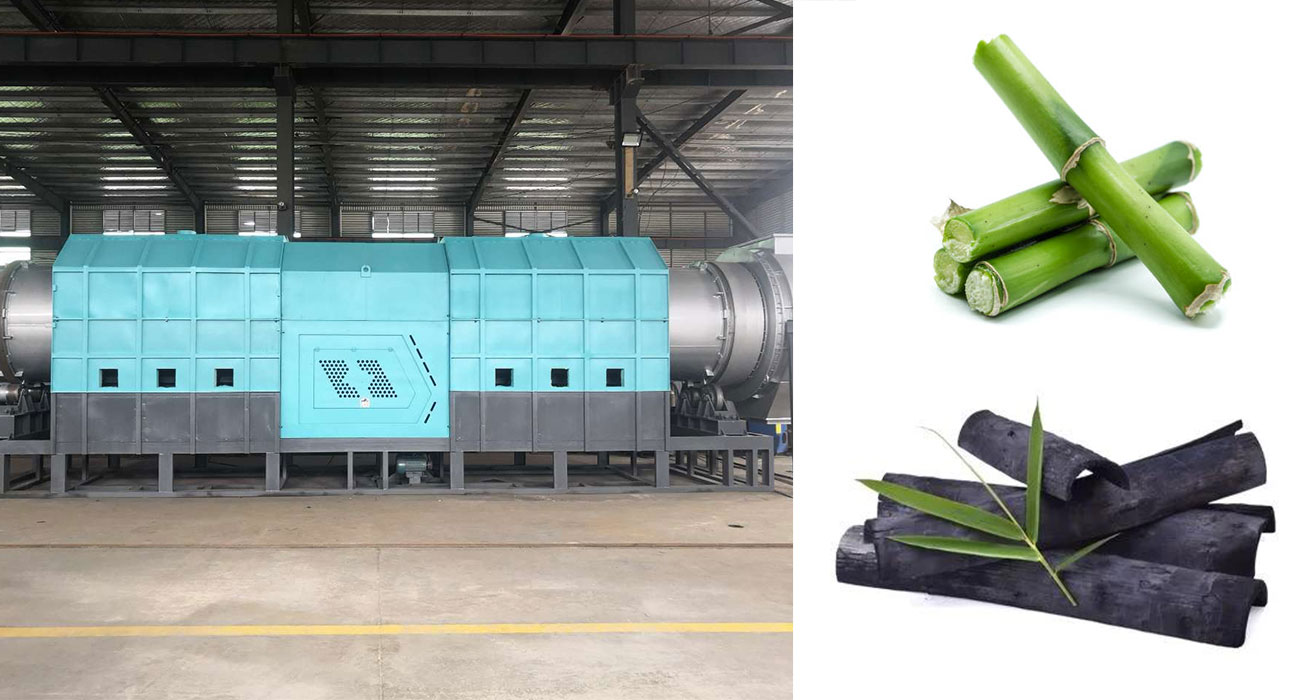
Bamboo Charcoal Making Machine for Sale

The primary product of carbonization is biochar, a highly porous and stable carbon-rich material. Biochar has multiple applications, including soil improvement, carbon sequestration, and wastewater treatment. Incorporating biochar into urban agriculture can enhance soil fertility and reduce the need for chemical fertilizers.

  • Energy Generation

Carbonization equipment can produce valuable energy products, such as syngas and bio-oil, during the pyrolysis process. These products can be harnessed to generate heat and electricity, providing a sustainable energy source for urban areas. This aligns with the growing trend of decentralizing energy production in cities.

  • Circular Economy

The adoption of biochar production equipment promotes the concept of a circular economy. Organic waste, once considered a problem, becomes a valuable resource. Biochar and other byproducts can be integrated back into various urban systems, creating a sustainable and closed-loop waste management cycle.

  • Emission Reduction

Unlike traditional waste incineration, carbonization is a low-temperature process that minimizes harmful emissions. The controlled conditions of carbonization equipment ensure that harmful pollutants like dioxins and furans are not released into the atmosphere. This significantly improves air quality in urban environments.

Case Studies

Several cities worldwide have recognized the potential of carbonization equipment in organic waste management and have implemented successful initiatives:

Beston Biochar Production Equipment for Sale

  • Tokyo, Japan

Tokyo has embraced carbonization technology to manage its organic waste efficiently. The city employs rice husk charcoal making machine to process food waste from households. The resulting biochar is used in urban agriculture projects, contributing to the city’s food security and reducing the environmental impact of waste disposal.

  • Stockholm, Sweden

Sweden’s capital, Stockholm, has adopted large-scale carbonization equipment to manage its organic waste. The city’s waste-to-energy plants use pyrolysis to convert organic materials into bio-oil, which is then utilized for district heating. This sustainable approach significantly reduces the city’s reliance on fossil fuels.

  • Singapore

Singapore, known for its innovative urban planning, has initiated a pilot project that incorporates carbonization equipment into its waste management system. The project aims to convert organic waste into biochar, which will be used to enhance soil quality in urban parks and green spaces.

More information about charcoal machine is in Beston Group.


Advantages and Disadvantages of a Waste Tyre Pyrolysis Plant

In this article, we will discuss the Disadvantages of a Waste Tyre Pyrolysis Plant, as well as the Benefits, Costs, and Installation of this type of plant. The next section will discuss the installation process. This article is not an in-depth review of Waste Tyre Pyrolysis Plants, but a quick review of the features and benefits of tyre pyrolysis plant.

BLJ-6 and BLJ-10 Model Tyre Pyrolysis Plant

Disadvantages

A waste tyre pyrolysis facility turns non-degradable materials into valuable products, such as oil. This process requires routine maintenance to achieve optimum production efficiency and lower operational costs. The benefits of this process include reduced production costs and a higher return on investment. However, there are several disadvantages to waste tyre pyrolysis. Let’s look at some of them.

Initially, a waste tyre pyrolysis process produces an oil that has high aliphatic hydrocarbon content and low aromatic hydrocarbon content. This results in higher C/H atomic ratios, which are similar to those of crude oil. However, this type of oil contains high levels of limonene, which may affect the economic feasibility of the process.

Benefits

A waste tyre pyrolysis facility can provide a renewable source of energy. The by-products of pyrolysis plant include carbon black, steel wire, and improved carbon. The carbon black is a good substitute for diesel fuel and has many industrial uses. The steel produced by a waste tyre pyrolysis plant can be used to produce steel.

A continuous tyre pyrolysis plant is a highly efficient way of converting waste tyres into oil. It can reduce emissions from combustible gases and can help improve the environment and economic benefits. The new-type waste tyre pyrolysis plant is compact and scientific, and its design follows international standards. Its operating efficiency is high and its handling ability is strong. The waste tyre pyrolysis plant can reduce labor costs and increase production efficiency. It can also reduce energy costs.

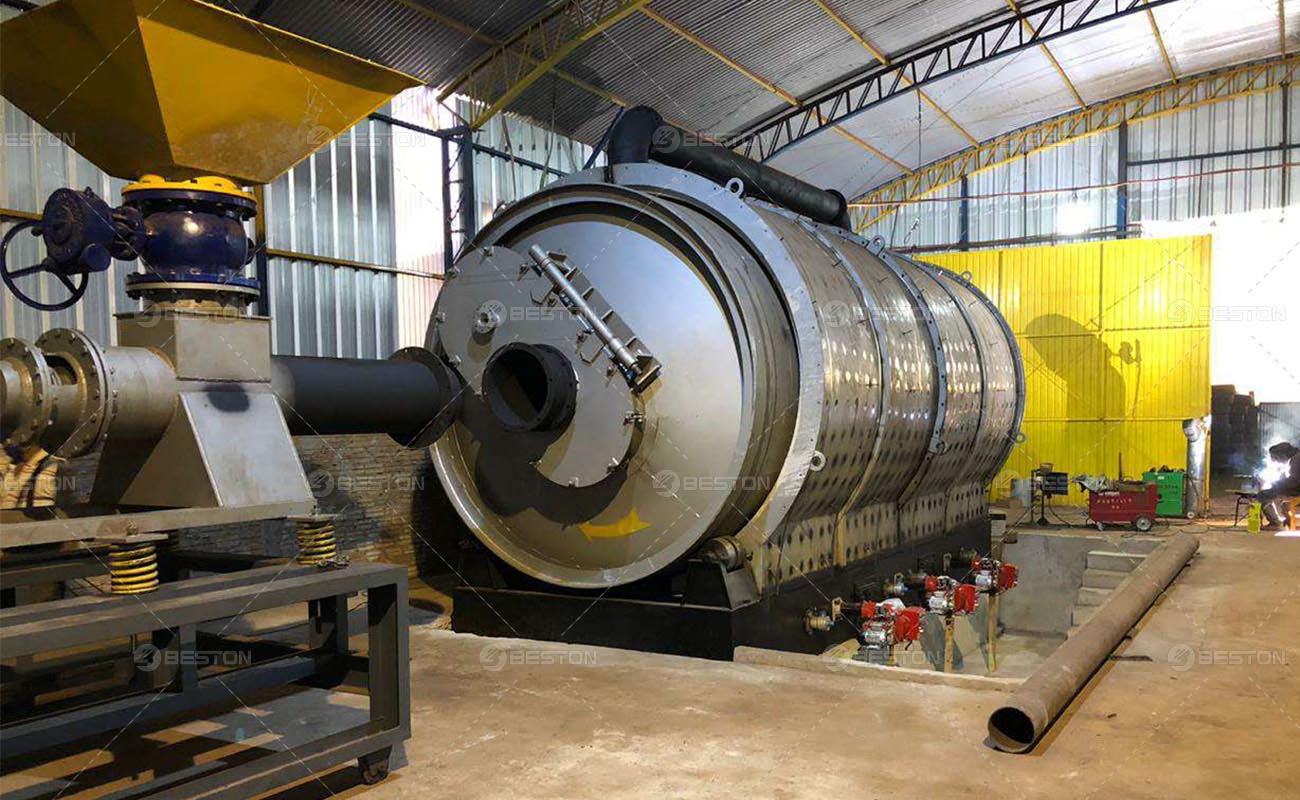
Tire Pyrolysis Machine in Romania

Costs

Setting up a waste tyre pyrolysis unit is relatively simple. There is no construction cost, except for a roof. The costs involved in operating the plant are minimal, and consist of operating expenses such as power consumption and labor salaries. The waste oil produced from pyrolysis is used for industrial and commercial purposes and contains approximately 40 to 45 percent recycled scrap tyres. Fortunately, these oil products are very inexpensive to acquire and transport. See the tyre pyrolysis plant cost here.

A pyrolysis plant’s overall cost is directly related to its efficiency. The higher the efficiency, the more expensive the equipment. Propane is the preferred fuel for waste tyre recycling. Propane gas is relatively inexpensive, but its calorific value is slightly higher than natural gas. Propane gas also has greater energy potential. Propane gas can be used to fuel a ten ton-per-day waste tyre recycling facility.

Installation

The basic steps of installing a waste tyre pyrolysis facility are collection of the materials, collecting the waste tires, and paying the costs. The process costs vary greatly depending on location, but in many countries, such as Mexico and China, this equipment is available for very cheap or for free. Then, the materials are disposed of properly. A waste tyre to oil plant is the most efficient way to reduce the amount of waste you produce.

To install a waste tyre pyrolysis machine, it is important to complete the following parts: the slide valve, the plug valve, the external heater, and the lifting pipe. The safety facilities should be complete as well, such as a gas outlet and a spring hanger. In addition, the bolts and fittings of the equipment should be tight and neat. The gas outlet should be properly closed and the graphite ring must be replaced every two months. The maximum pressure inside the furnace cannot exceed 1300 degrees.

Investing In A Pyrolysis Plant For Sale

Are you planning to invest in a pyrolysis plant for sale? If so, you have come to the right place. Pyrolysis technology presents one of the most environmentally friendly waste disposal methods. A small pyrolysis plant can process different kinds of waste including rubber tires and plastic. Millions of waste tires are thrown into landfills across the country each year. These tires take hundreds of years to dispose of and negatively affect the ecosystem in the process. That is where a tire pyrolysis plant comes in handy. Here is why you need to invest in a small pyrolysis machine to make a handsome profit and protect the environment at the same time.

Pyrolysis Plant For Sale

Many investors around the country are investing in small pyrolysis plants to convert rubber waste into energy and profits over time. Pyrolysis reactors were popular in the past, and only large-scale investors could own one of these machines. The large investment needed for one of these machines was a stumbling block for many waste recycling enthusiasts. Fortunately, today, there are small-scale pyrolysis plants manufactured by different companies across the world. These plants are known as batch plants and are more affordable. These batch plants can convert various types of waste materials into biomass, oil sludge, fuel oil, wire steel, and carbon black. All these byproducts have a huge demand in the industrial sector. You can make a handsome profit and save the environment by investing in a small-scale tyre pyrolysis plant for sale.

Tyre Pyrolysis Plant For Sale

There are so many factors to consider when investing in a small tire pyrolysis plant on the market. The daily capacity, working method, reactor pattern, raw materials, operating pressure, total power output, cooling method, floor area, durability, and price are some of the most important considerations in this regard. Most of the small-scale machines have a lifespan between five to ten years and operate at a lower pressure. These units are heated using different types of fuels including fuel oil, LPG gas, natural gas, coal, wood charcoal, and more. The low initial investment is one of the most important advantages of investing in a small-scale tire pyrolysis plant on the market.

The most important thing is to invest in a product from reputable pyrolysis plant manufacturers or supplier in the area. The unit should be affordable, easy to maintain, easy to operate, durable, and guarantee high profits over time. The manufacturer’s reputation is an important consideration when buying a pyrolysis plant for sale. There are many online resources where you can check the reputation of the potential manufacturer. Search Google or any other online browser and you will come across a host of pyrolysis plant manufacturers in your region. Check independent online review sites to see how other clients are rating the product of the potential manufacturer before you decide to invest in the unit.

Are you searching for a quality pyrolysis plant on the market? If so, you should do your homework before investing in a quality product from a reputable manufacturer (Beston (Henan) Machinery Co. ltd.) in the area.

Functioning Process Of The Continuous Pyrolysis Plant And The Advantages It Offers

The phrase ‘pyrolysis’ suggests the concurrent chemical and physical changes in the organic matter, which are subjected to very high temperatures. A continuous waste tire plant is a unique tire recycling machine that uses the pyrolysis process in order to recycle discarded tires into oil and carbon. The main advantage of these machines is that they can make fuel oil from waste plastics in an eco-friendly way. Because of this, they are integral when it comes to handling waste plastic disposal problems.

A continuous pyrolysis plant (planta de pirólisis continua) uses an automated system that is controlled remotely through a PLC (Programmable Logic Controller) or computer system. With the constant and automated input and discharge structure, it can maintain the pyrolysis system performance 24/7. Here we will be looking at the functioning process of the continuous pyrolysis plant and the advantages it offers.

pyrolysis plant

The Working Process

-A plastic grinder is used for shredding all the plastic available into tiny plastic pieces. These pieces are then inserted into the pyrolysis plant (sistema de pirólisis) through the feeding door.

-The feeding door of the machine is largely designed with an interior screw to help you convey the minute plastic pieces easily into the first reactor of the plant. The plastic can then be subjected to very high temperatures through the first reactor, to the second one, and so forth till all available plastic has gone through pyrolysis. From there, the resulting carbon black powder will be discharged automatically into an unconnected carbon black tank.

-The resulting oil gas will be cooled completely via the circulation of water, while the additional pyrolysis has will go through recycling through the pipes and into the burners for the heating process to be repeated. Usually, a continuous plant comprises a water circulation structure and an extra pyrolysis gas recycling structure. All of these help you save on water and energy bills. This will see you make huge profits.

Advantages

-High oil output and Big capacity: Given how the system enables continuous input and discharging, together with several reactor designs, the continuous plant can process large quantities of waste tires each day. Considering that it offers total pyrolysis to waste tires, the continuous plant can produce large oil amounts.
-Reduced labor cost: As aforementioned, a fully continuous plant (planta de pirolisis de neumáticos) is run by an automatic feeding and a PLC system, as well as a discharging system. Because of this, you only need a few personnel to run the PLC or computer system. The continual process also allows you to save time and expenses incurred in covering bills.

-Long working lifespan: Indirect hot air is utilized when heating the reactors in the continuous plant. Because of this, the reactor won’t get damaged that much, which will enable it to carry out its functionality for years to come.

-Internal rotating: This internal rotating allows for continuous operation of the machine: https://www.bestongroup.com/es/. In external rotating systems, you’ll have to replace the seal material after a couple of days. This means that when using this system, this won’t be a bother.